

I found it easier to write this newsletter when no one was reading it. Now that I have readers like you, I feel the pressure to meet your expectations. It’s a struggle to find topics worthy of your time. Not complaining. It’s a good problem to have. It’s no joke to churn out outstanding newsletters week after week, like my “invisible mentor.” Tom Orbach
Since my last newsletter, published in December, became my most-read to date, I have been seeking inspiration for the next one. I thought the month of Jan would disappoint me, and then this happened…
My kid dressed up as Calvin for his book character week at school. He wanted to turn blonde (for a day 🙄), but I told him acrylic color was a much better idea. 😉

Anyway, seeing him stirred up a long-forgotten memory - of a young 20-year-old me, writing swathes of essays for business school admissions. One day, I got so bored with the pretentious stuff I was gurgling out that I ended up writing a defiant one. I did not care whether I got rejected, but I wanted to be my authentic self. I was quite surprised when it turned out to be my only successful application.
20 years have passed since I wrote this, but every word still rings true…
Imagine a life entirely different from the one you now lead. What would it be (15 lines)?
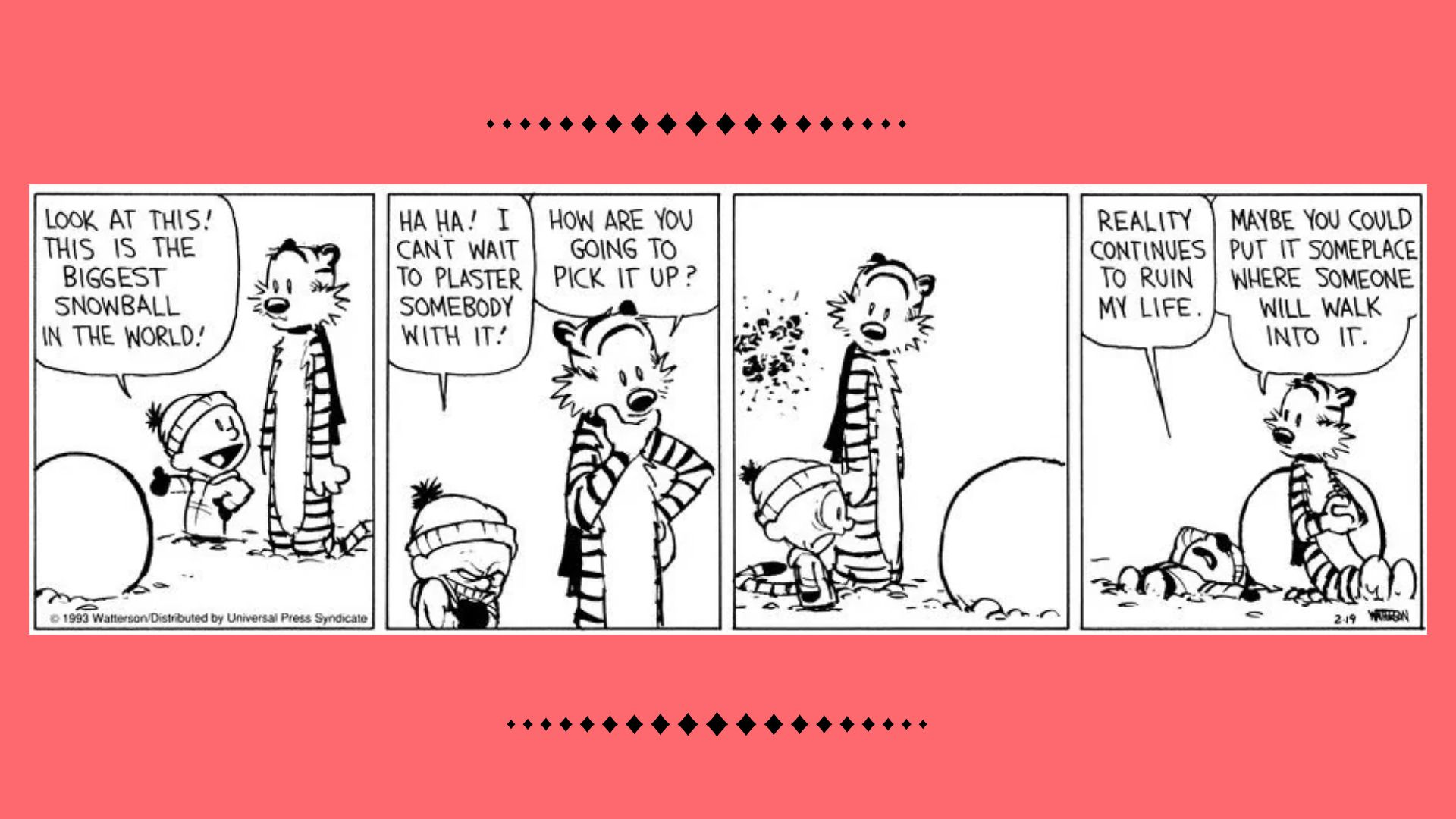
I often imagine waking up one fine morning to discover that I have turned into Bill Watterson’s famous cartoon character - Calvin.
As Calvin, I will get to be this highly imaginative, energetic and sardonic child that I never was as a 6 yr old. Calvin’s flights of fantasy, his friendship with his toy tiger Hobbes, his misadventures, his views on a diverse range of political and cultural issues and his relationships and interactions with his parents, classmates, educators, and other members of society are so unlike a real world’s child.
The socialization that we all go through to become adults teaches us not to say certain things because we later suffer the consequences. Calvin doesn’t know that rule of thumb yet and thus there’s not much of a filter between his brain and his mouth.
As Calvin I want to experience having absolutely no sense of restraint. I often feel I was born intelligent but education ruined me. So as Calvin I would have complete disdain for learning and would resist being taught anything.
As Calvin I want to escape the rat race of adulthood and experience leading an idyllic life with all the time in the world to lie on grass and watch birds fly in the sky.
The restless soul and the turbulent mind with a bottomless pit of ideas which I possess can only be satiated with endless flights of fancies of Calvin which leads him to imagine himself as other characters with different powers and goals; I would sometimes vanish into a fantasyland to escape a difficult situation!
I would like to see how my creative energies manifest them in whimsical spirit of Calvin. Calvin doesn’t have the experience yet to know the things that one shouldn’t do.
Being Calvin to me means going back to the days of impish innocence. As Calvin I would remain a 6 year old and never grow old. Thus, imagining a life as Calvin is a way to relive my childhood and wishing it would stay forever.
It made me ponder an existential question: why does our growth seem to slow as we grow up? Maybe because, as adults, as we start accepting “how things are done”, the natural curiosity we were all born with recedes.
We stop asking obvious questions because we’re afraid of sounding naïve or being seen as difficult.
Compliance is more comfortable than being curious. But Ginny Rometty famously said, “Growth and comfort cannot co-exist.”
What if someone like Calvin were around at work? He would:
Have no respect for legacy
Would not care about “best practices.”
Would say the first thing that comes to mind, without filters
And that’s exactly why we need his eyes when we think about creating and improving products and experiences.
And so I would like to introduce: The Calvin Lens™
The Calvin Lens is a simple checklist that helps you uncover latent user needs and envision future states that could genuinely delight users.
It consists of asking these 5 questions about a product or experience:
Why is this here?
Who is this helping?
Why do I have to do so much work?
Why do we do it this way?
What if we changed it to this?
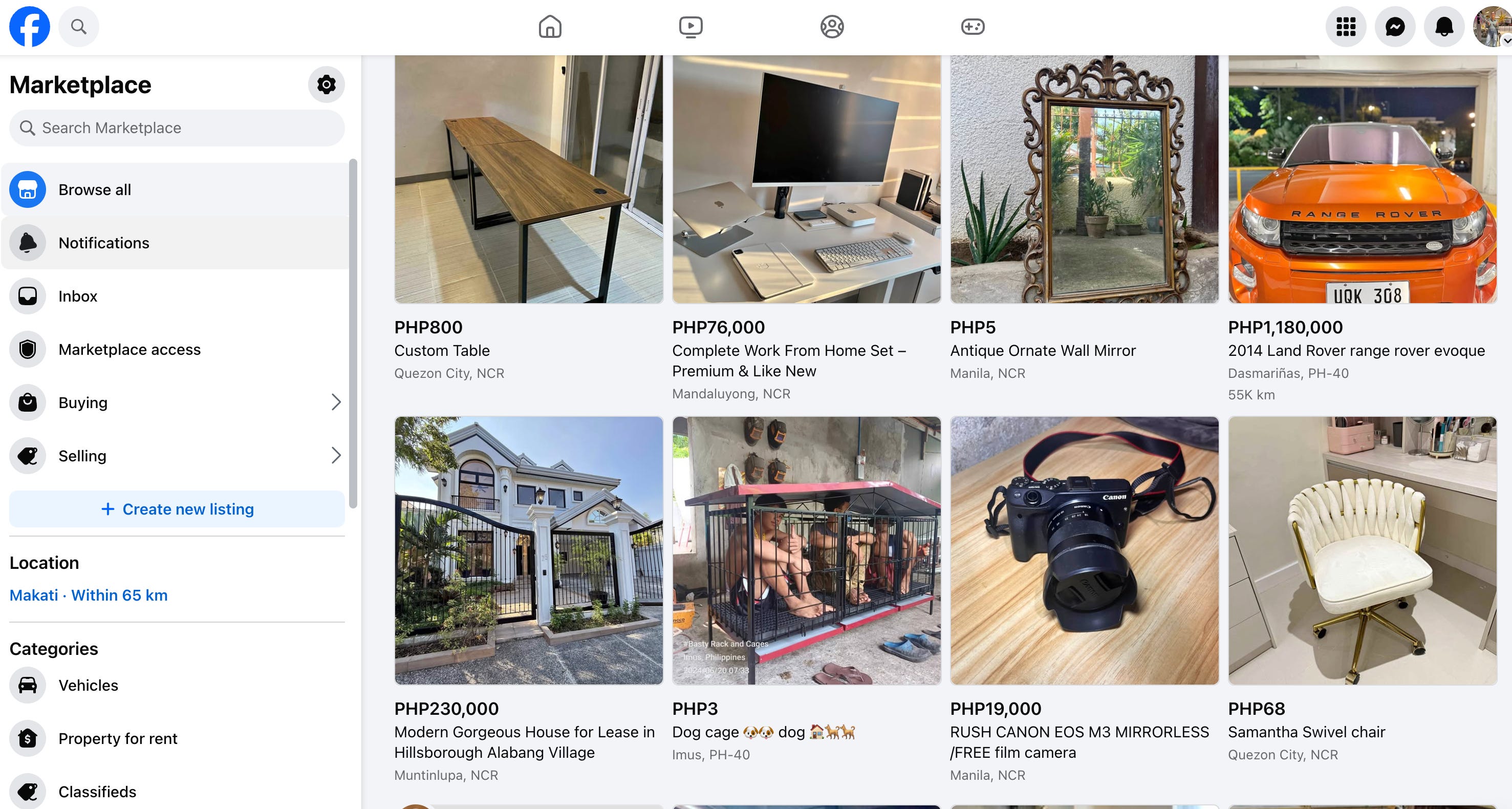
For example, I will assess the Facebook Marketplace through The Calvin Lens™, a product I use often and believe is in serious need of a redesign.
1. Why is this here?
As a user, I have to search for what I am looking for, verify details, and filter for genuine sellers. I find the UX too overwhelming because there is no clear nudge to the next step.
2. Who is this helping?
It seems to me that this current layout feed is optimized to increase time spent rather than successful transactions. So it helps Facebook more than it helps the user.
3. Why do I have to do so much work?
Before I actually buy anything, I have to do a lot of work -
Choose the category
Check prices
Chat with the seller
Assess whether it’s a genuine product and seller or a scam
4. Why do we do it this way?
Why is there a giant feed for everything?
Why is price the primary signal?
Why is the location buried in small text?
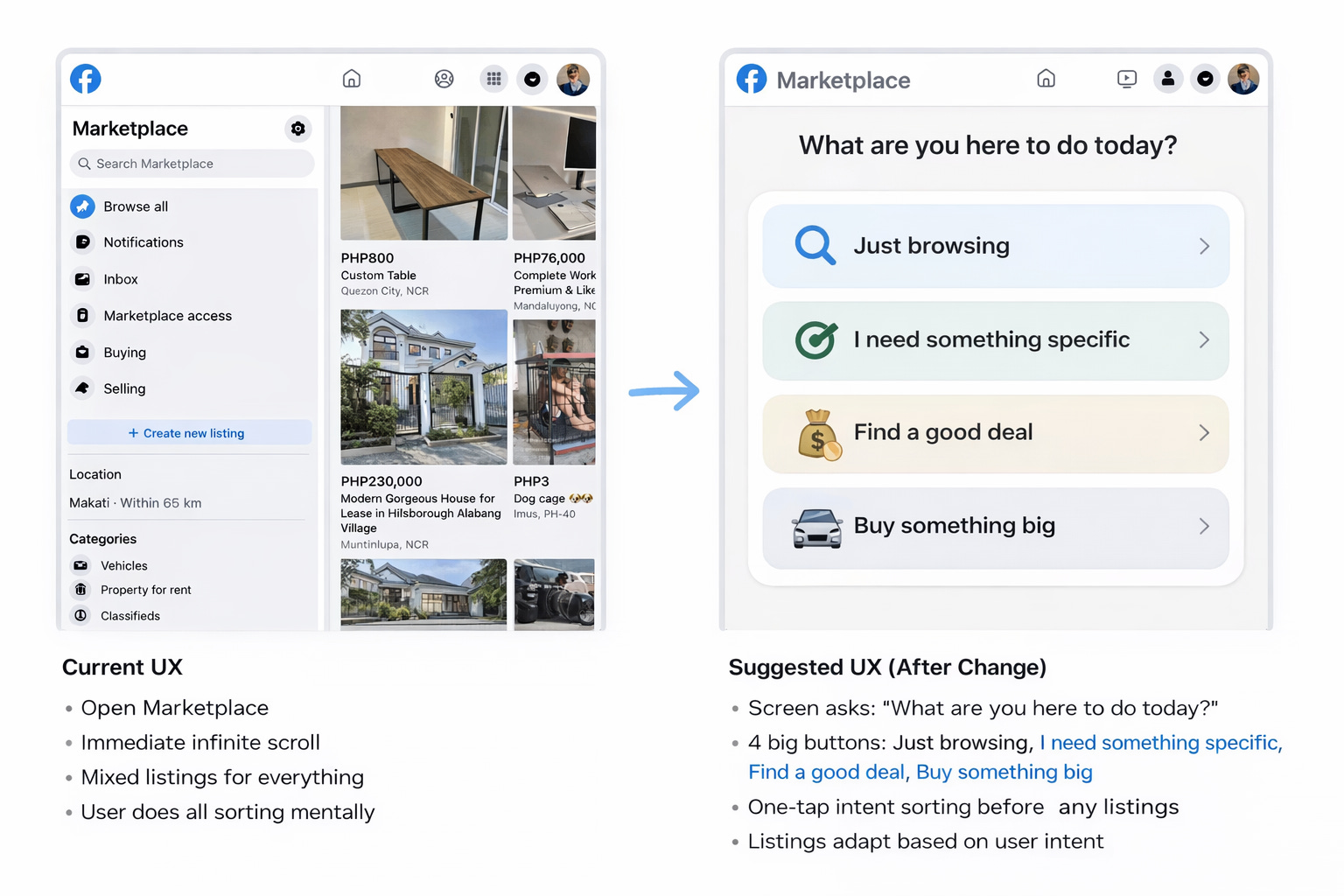
5. What if we changed it to this?
The above question could spark discussions that better understand user needs and identify alternative ways to serve them. For example, what if the FB Marketplace looked like this instead -
Marketing and product teams could use this as a brainstorming technique to -
Question the normal
Surface latent user needs
Form hypotheses about user behaviour
Run growth experiments
Redesign user experiences
I will discuss this further in my upcoming newsletters.
It might help to remember that once we stop accepting how things are done, we create space to discover what is needed next.
It’s the moment where growth begins 🌱
Thank you for reading 🙏
Brilliant frmaework for challenging design assumptions. The five questions feel like reverse-engineering how a 6-year-old would navigate a product without any learned biases. I've seen teams get stuck in optimization loops where they just rearrange the deck chairs, and something like this could actualy force conversations about fundamental utility. The FB Marketplace example is spot-on about metrics driving design over real user needs.