

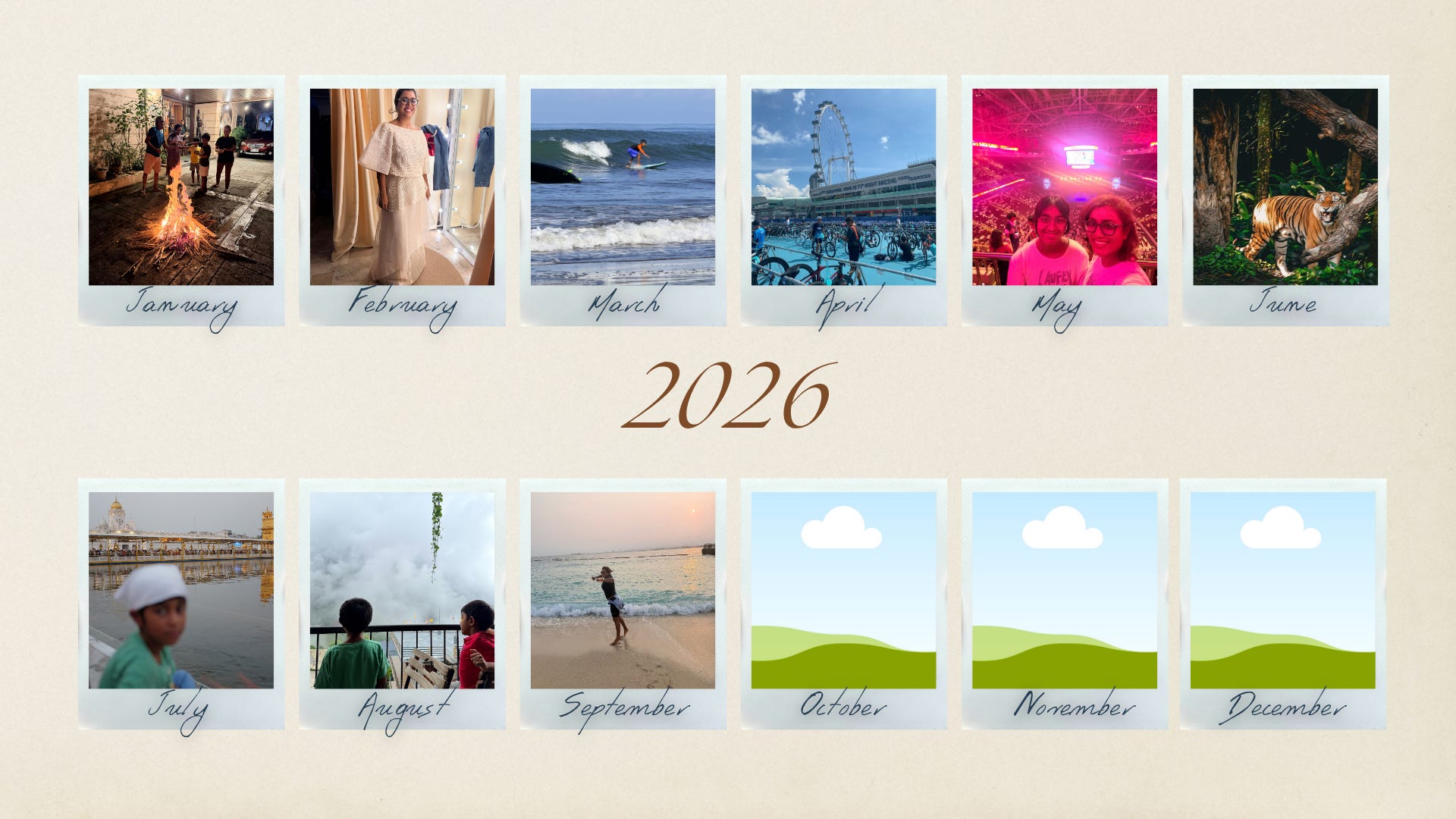
Does 2026 feel like it is almost over? Every time the ber months arrive, I sigh and say, “The year went by so fast.” And it’s just not me.
Paul Janet, the 19th-century French philosopher, explained that time feels like it speeds up as we get older because each year becomes a smaller fraction of our total life.
When we were 5 years old, a year was 20% of our lived life. By 50, a year is only 2% of our lived life.
But there is another layer to this. Our brain estimates how long something lasts based on what it remembers. And we tend to remember things that are novel or emotionally impactful.
When we’re younger, life feels much more novel because we have a lot of first experiences. As we get older, life becomes more routine. If the brain has nothing new to register, all days roll into one.
Which is why, as we get older, time feels like it is passing by too fast! ⏳
This idea that how much we remember is affected by novelty has profound implications in marketing.
If you are a fan of Mad Men, you might remember Don Draper's famous line that goes something like “The most important idea in advertising is ‘new' because it creates an emotional itch in the consumer.”
You can’t give consumers something new all the time. But sometimes you can make the routine feel new.
For example, two apps I use regularly: GCash and Strava.
I use GCash almost every day. I open it, scan, pay, and close it. It is extremely useful, but if you asked me to remember one particular GCash transaction from the last six months, I probably couldn’t. There is nothing new here.
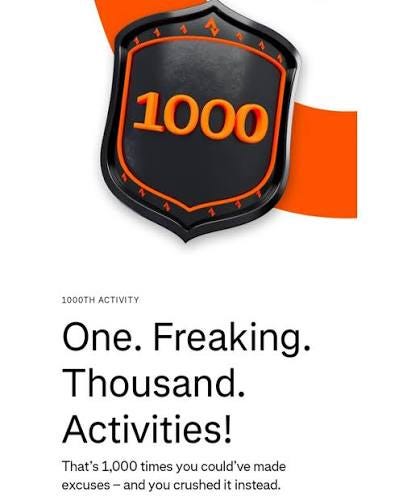
Strava is different because from time to time, it turns my routine workout into something memorable: a personal best, a 100th activity, a 50-week streak. Suddenly, ordinary activities become a story about my progress.
The growth marketing lesson here is: if every interaction with a product feels the same, users remember less of it. Frequency without distinctiveness can turn into a blur.
Instead of spending all the time optimizing for frequency, what if we also optimized it for memory, by -
✅ Helping them notice their milestones: The 100th workout. The first international transfer. One year as a customer. The first 1,000 saved.
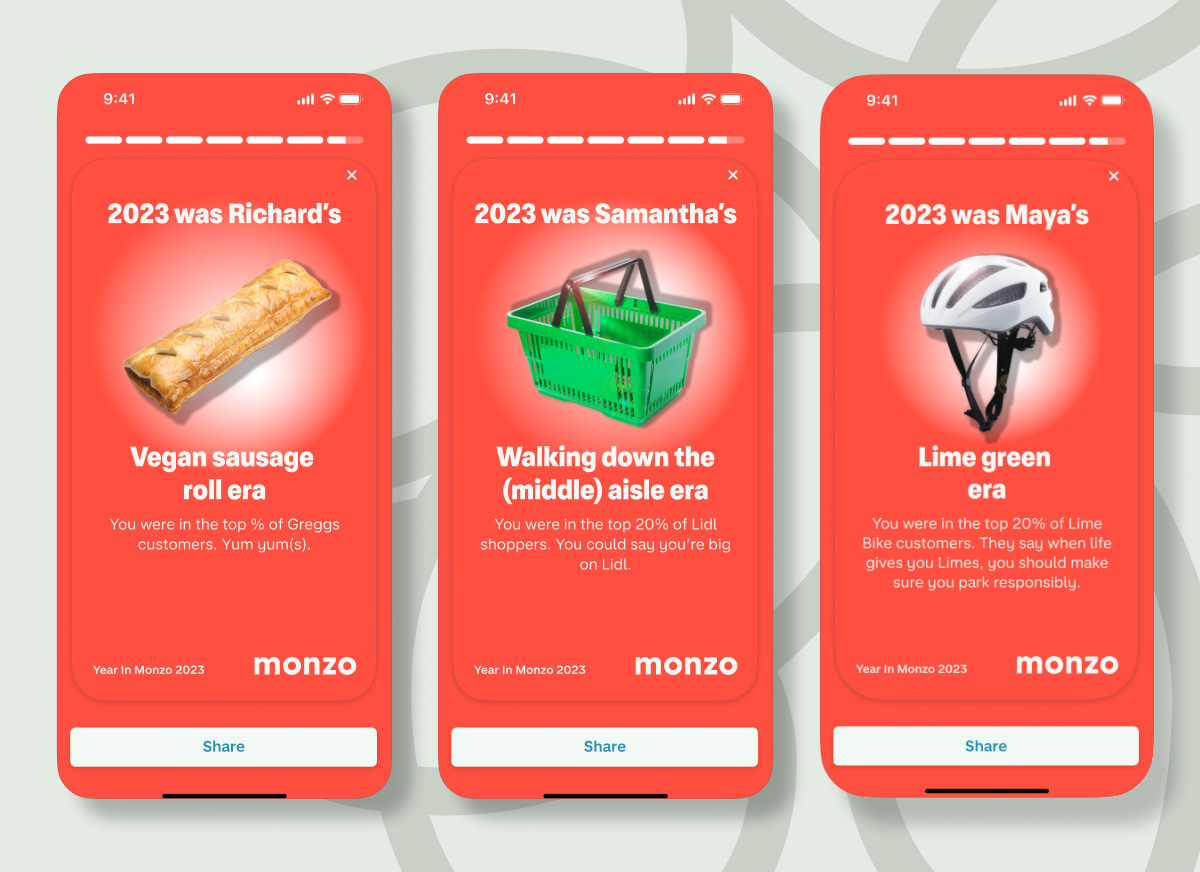
✅ Turning interactions into stories about themselves: The year in review. What your playlist says about you. What you did a year ago.
✅ Personalizing milestones to achieve: Run 50 km this month. Reduce your screen time by an hour. You’re on a 27-day streak. Make it 28.
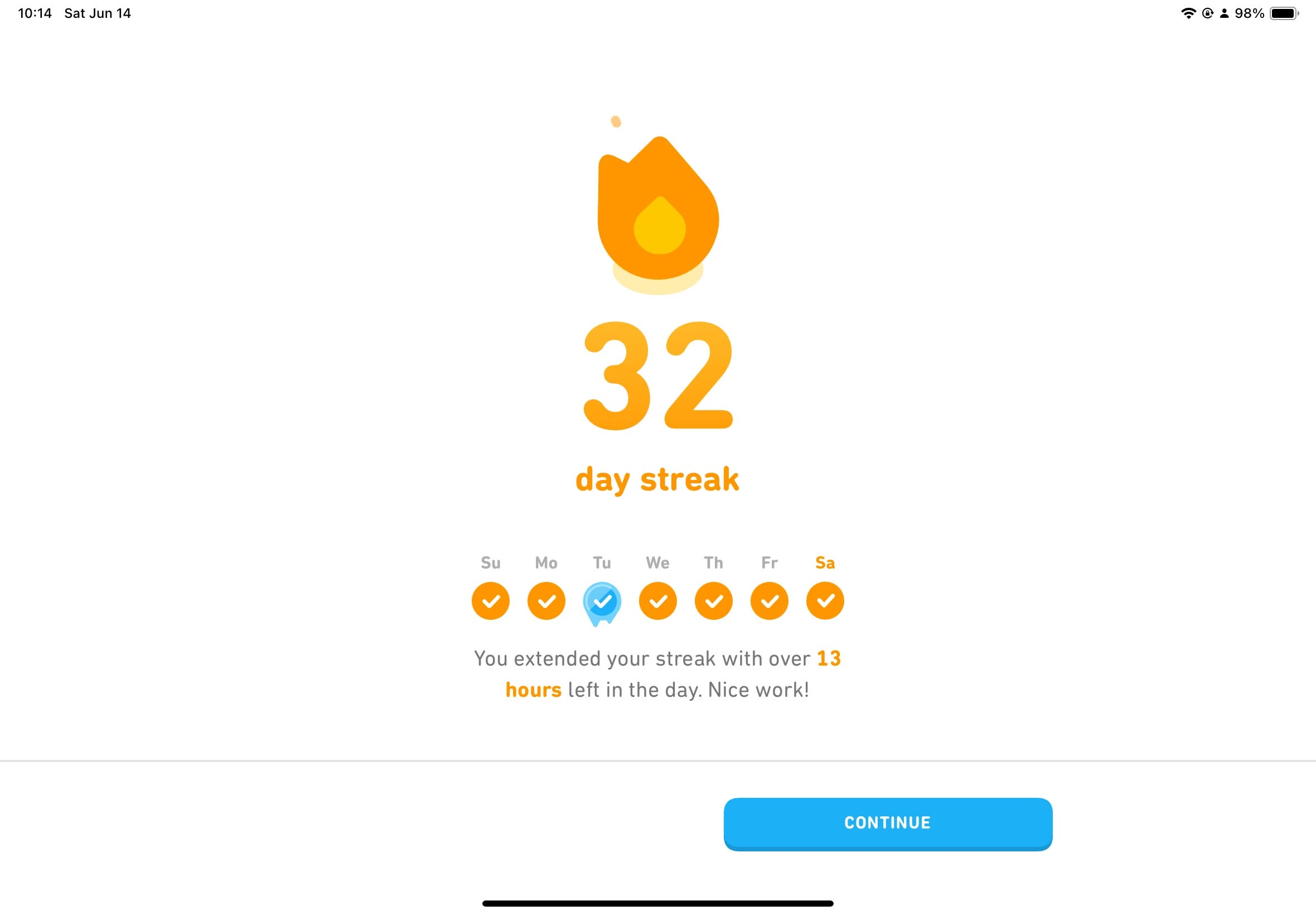
Routine interactions blur together; distinctive ones become memories.
If one were to apply this idea to life, to make a year feel longer is to help our brain create stronger memories by-
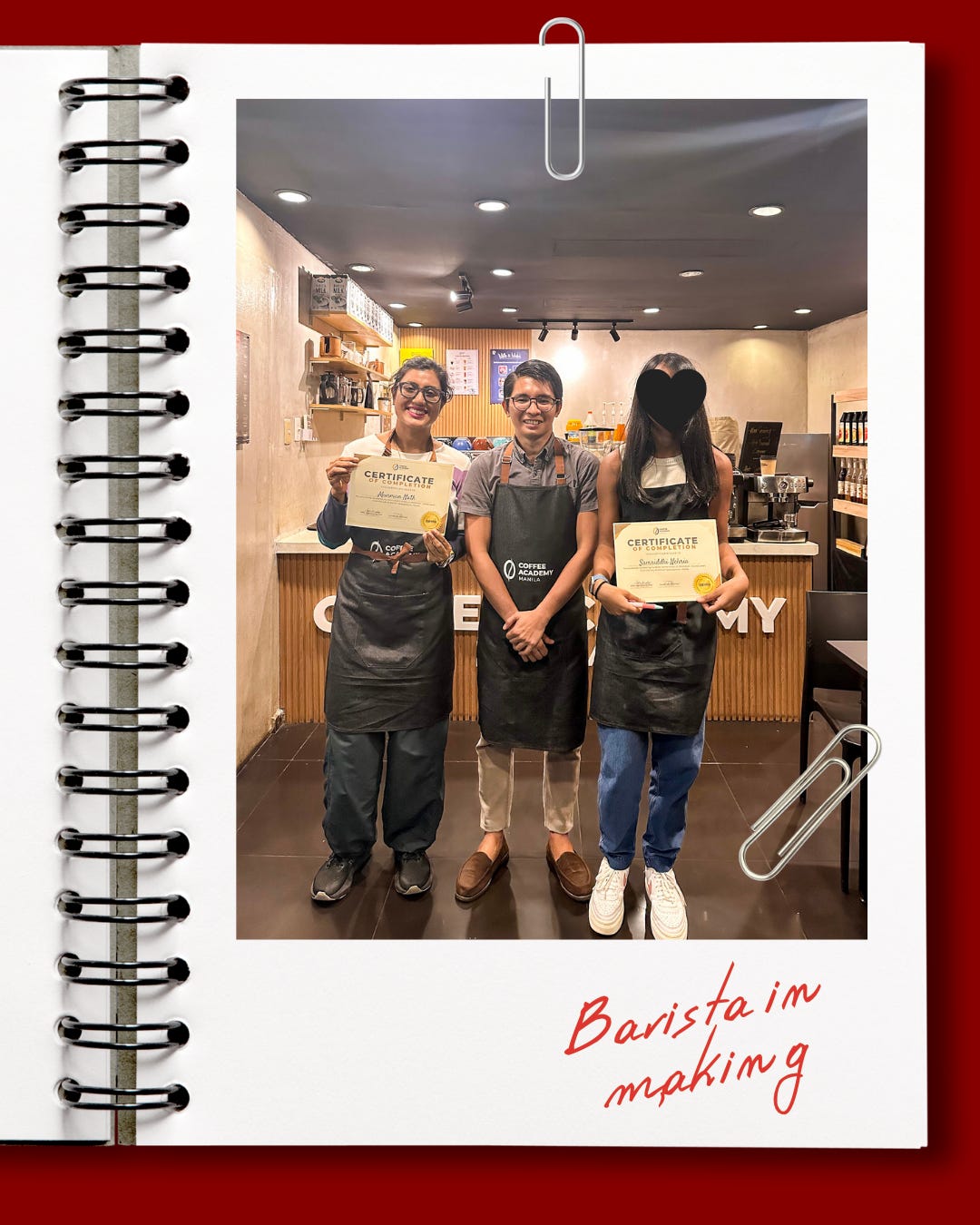
💗 Creating novelty - Novel experiences create stronger memories and make the year feel fuller in restrospect. That’s why my annual goals always include learning a new skill or experiencing something new. Last year, I tried calligraphy, photography, and barista skills. This year, I am trying to learn to drive and learn about finance. It’s like recreating those special years in our lives when we started or finished something major, such as graduating or starting a new job.
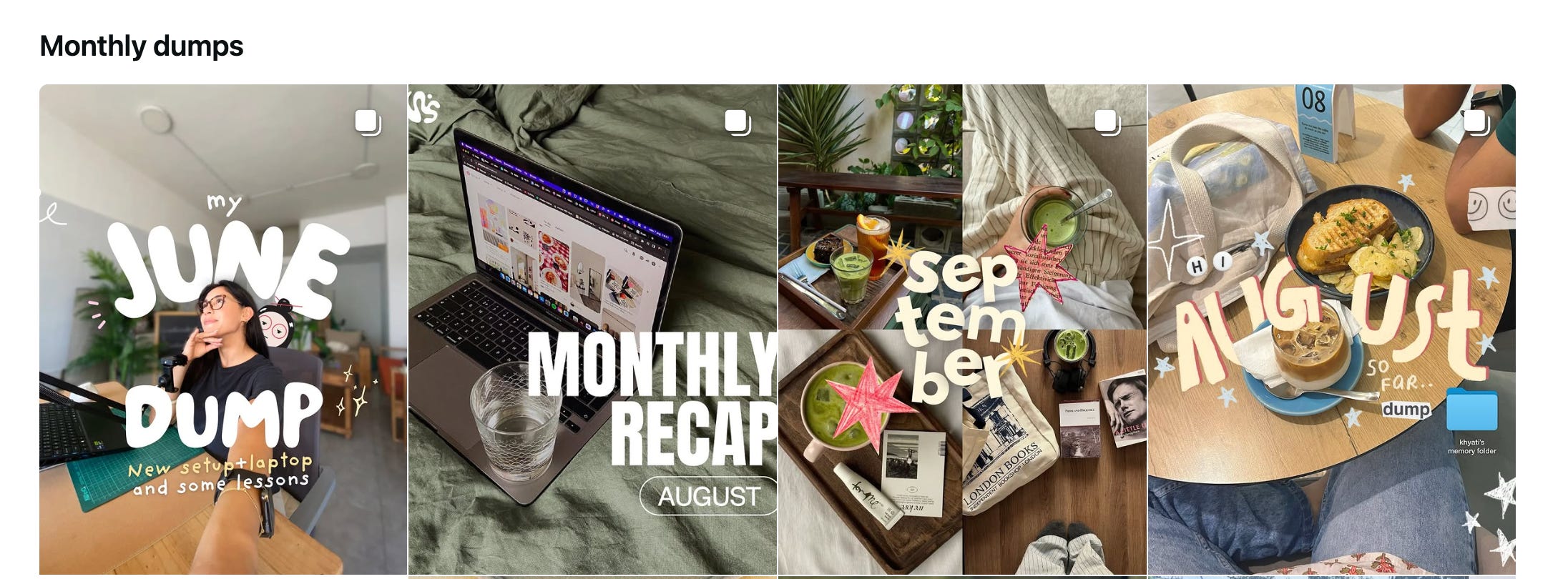
💗 Recording memories. I love love love the monthly photo dumps in my friends' Instagram posts, especially when they tag me, and I relive the moment again. They tell me it's a way to revisit their favorite moments and remember the people they connected with. And at the end of the year, you have a wonderful photo journal of the entire year!
💗 Setting annual milestones - The Japanese concept of Misogi is about intentionally choosing one challenge each year that’s difficult enough to stretch your limits. I was introduced to this idea by Jessie Itzler, who described it as:
1. Pick ONE thing so hard there's a chance you don't finish it
2. Put it on the calendar
3. Spend the year preparing for it
Accomplishing an Ironman and a full marathon have been a couple of my Misogi challenges. Stretch goals like that can light the fire inside and make the whole year feel purposeful.
Taking the lesson of this newsletter to heart, I have a small treat for my readers today:
I am giving away 5 copies of the newly launched book, Super Cool Startup, written by Sairam Krishan, one of the inspirations behind this newsletter. His newsletter, CMO Journal, is filled with practical wisdom for early-stage marketers, and so is his book.
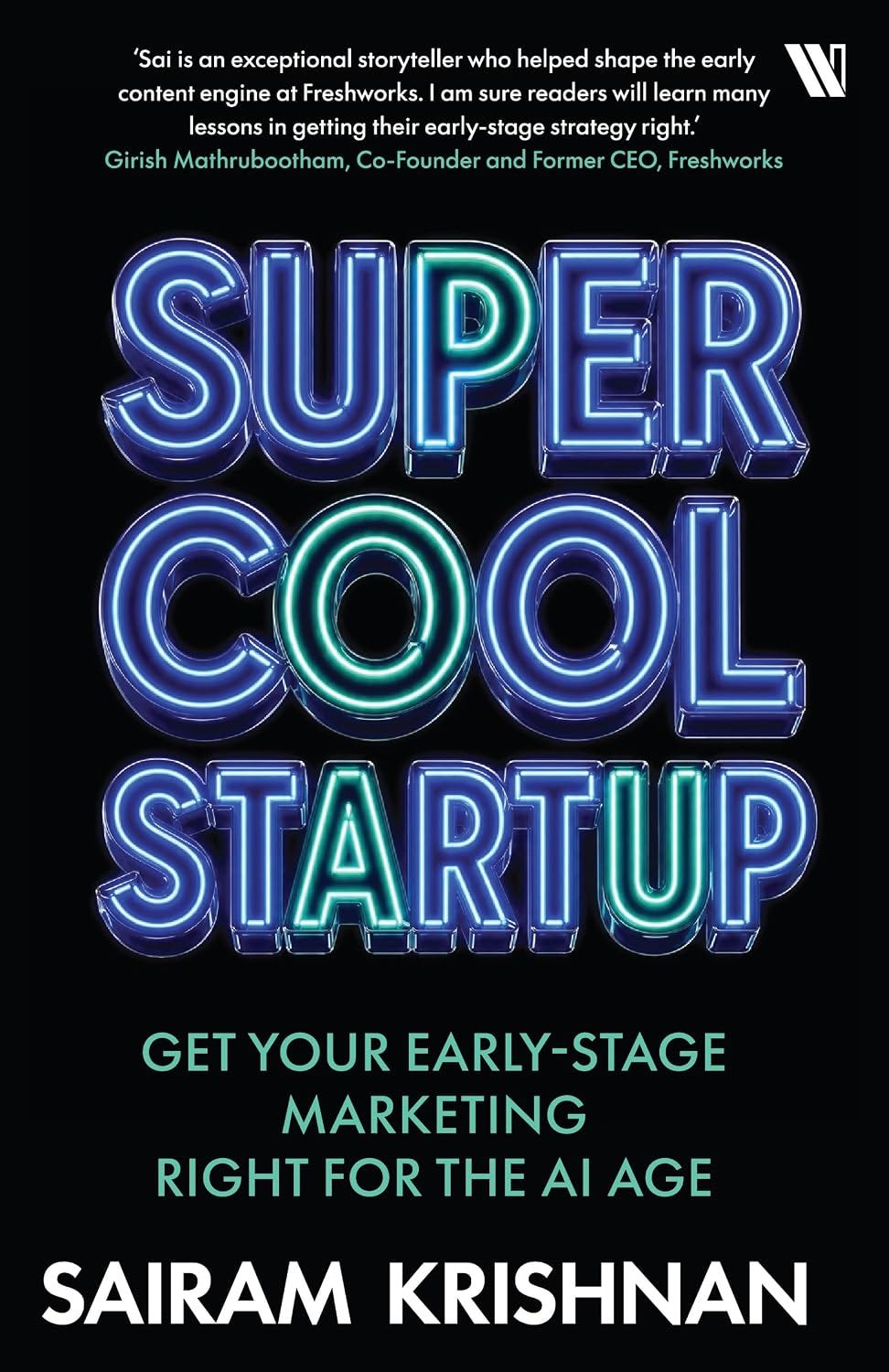
If you want to be one of the lucky winners of a free copy, just answer this question in the comments below.
What is one new thing you want to try in 2027?
See you next month!
I'd like to try urban sketching in 2027 and fill up a sketchbook!