

Life Happenings: Racing and Photography
It’s been two months since my last newsletter. Summer kept me busy with school holidays, family travel, two triathlon races, and everything in between.
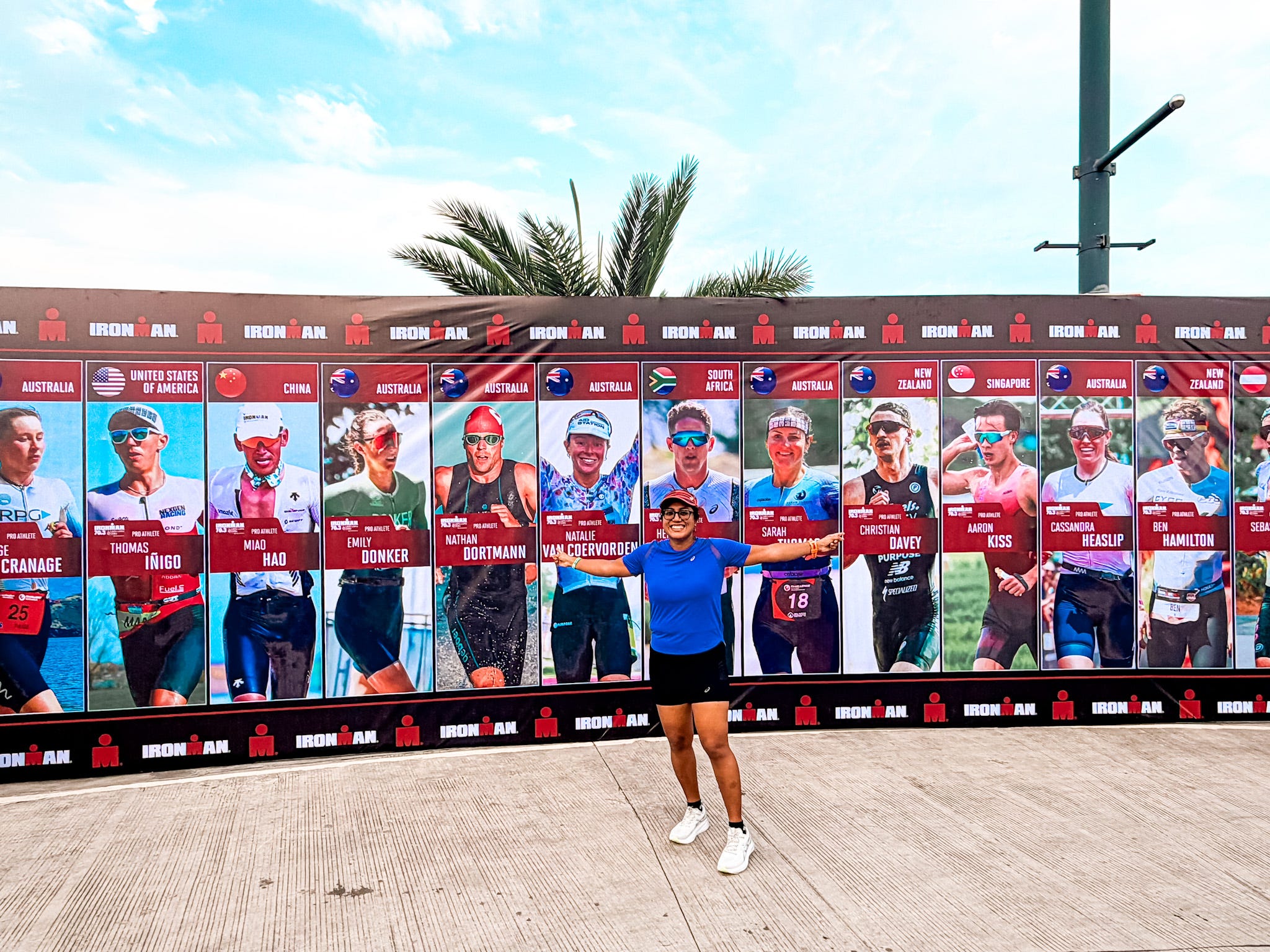
One of the highlights was Ironman 70.3 in Lapu-Lapu, where I crossed paths with professional triathletes for the first time. Being around athletes competing at that level was inspiring.
For a brief moment, I found myself imagining an alternate life in which I was one of them.
Perhaps in another lifetime.
I also got a chance to polish my photography skills among the wild in Singapore, at the Norbilinka Institute in Dharamshala, and at the Golden Temple in Amritsar. When I close my eyes and think of the summer, the light of the temple still shines in my mind.
Growth Notes: What not to do with behavioral science
What else happened during this summer? Spider-Man: Brand New Day became the highest-grossing movie of 2026, and it reminded me of the classic line from the earlier version: “With great power comes great responsibility.”
Take Behavioral Science, for example - it is a force for good. It has the power to nudge people towards the right choices. But it is also possible to misuse its ideas.
A recent example is an Indian regulator penalizing apps that use “dark patterns” to deceive or manipulate users into taking actions benefiting the business at the user's expense.
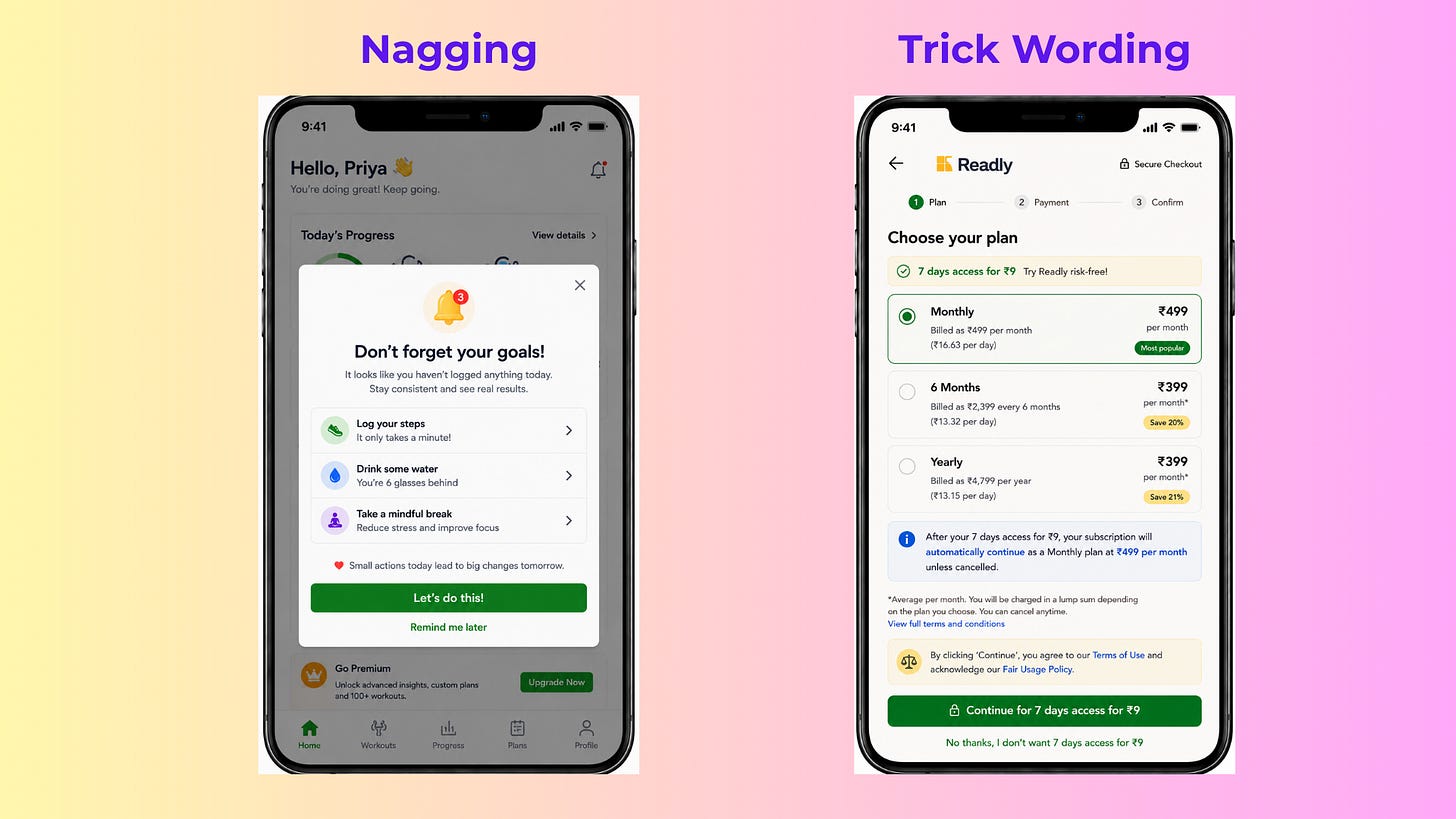
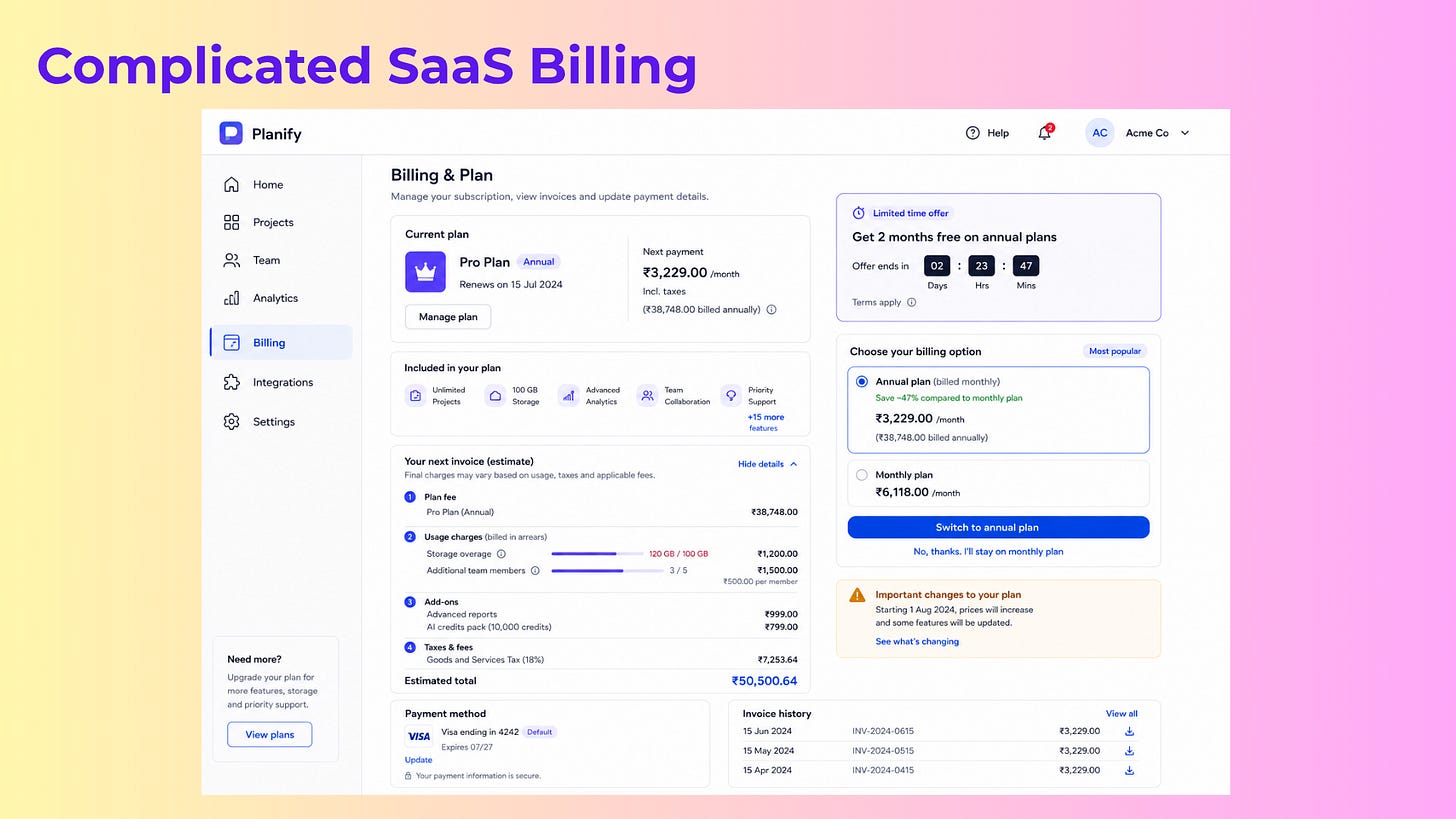
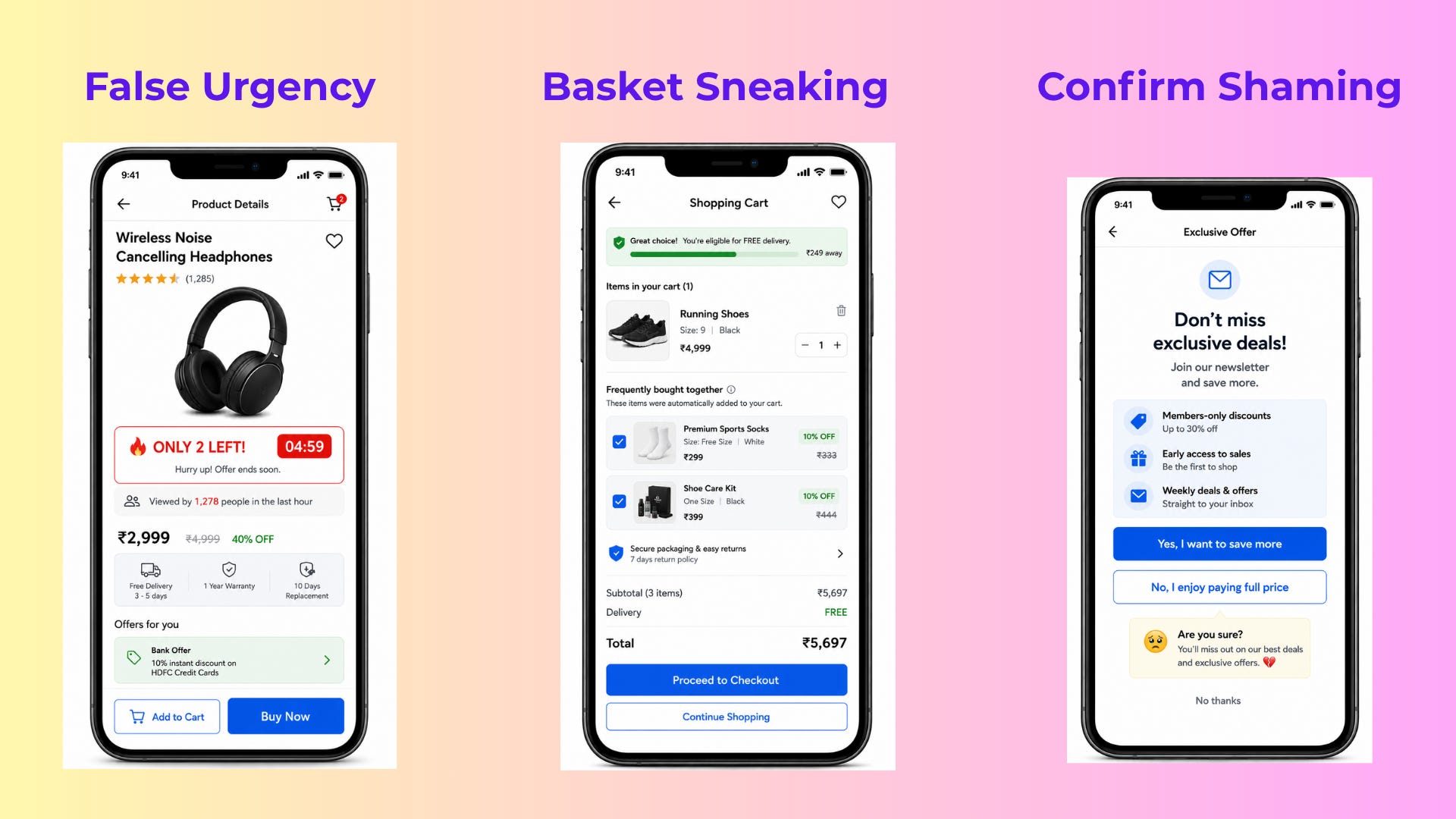
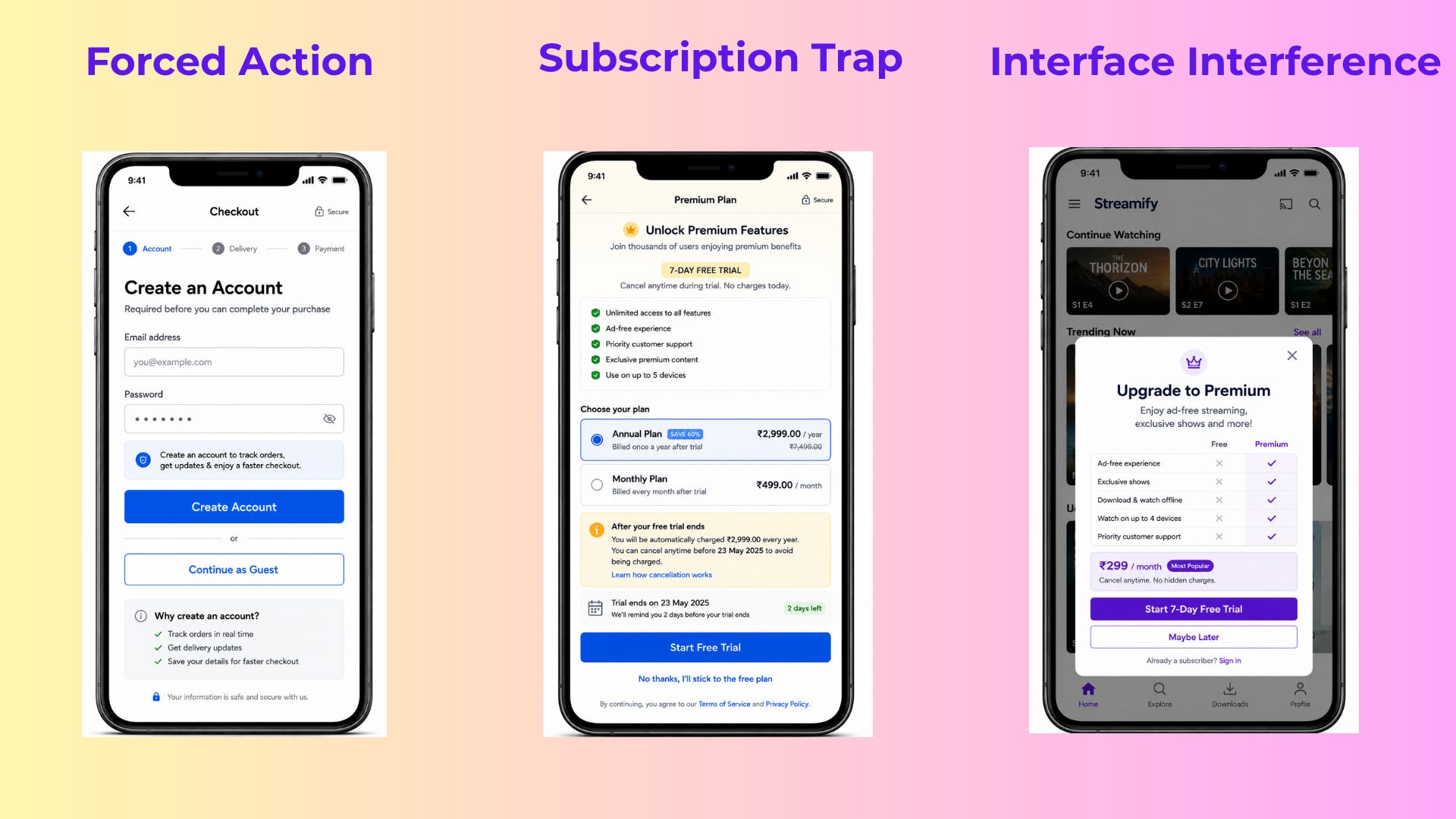
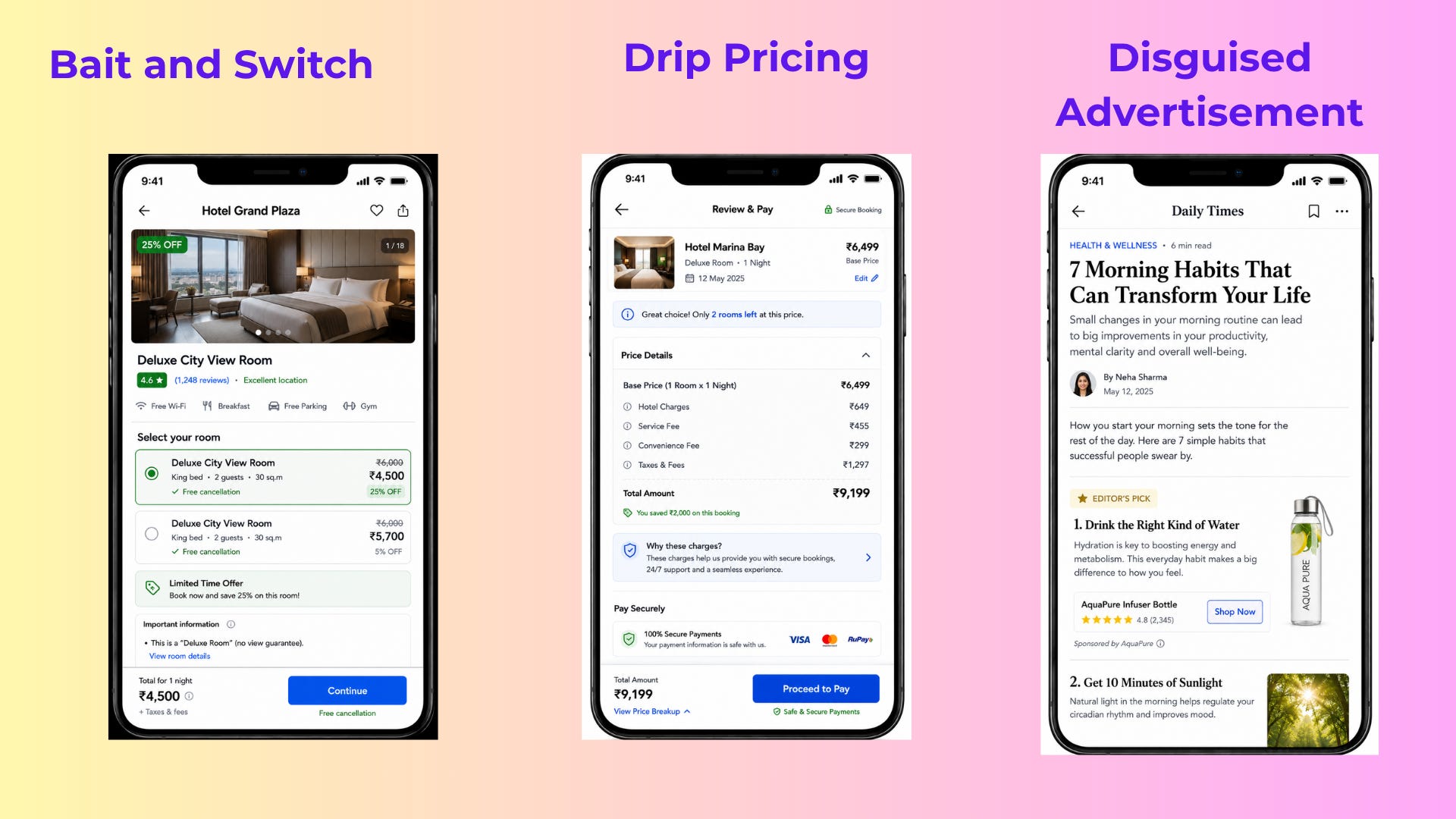
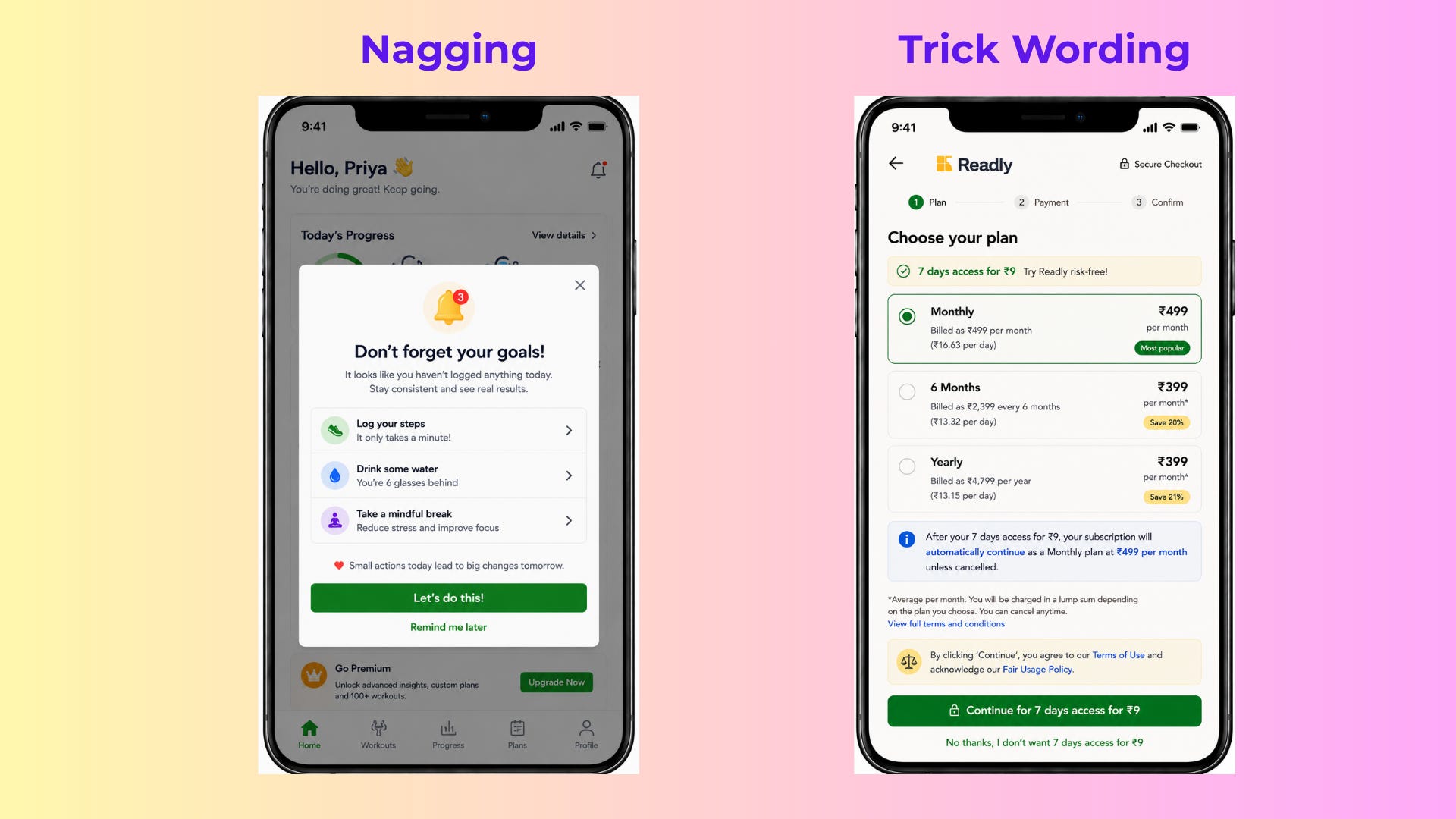
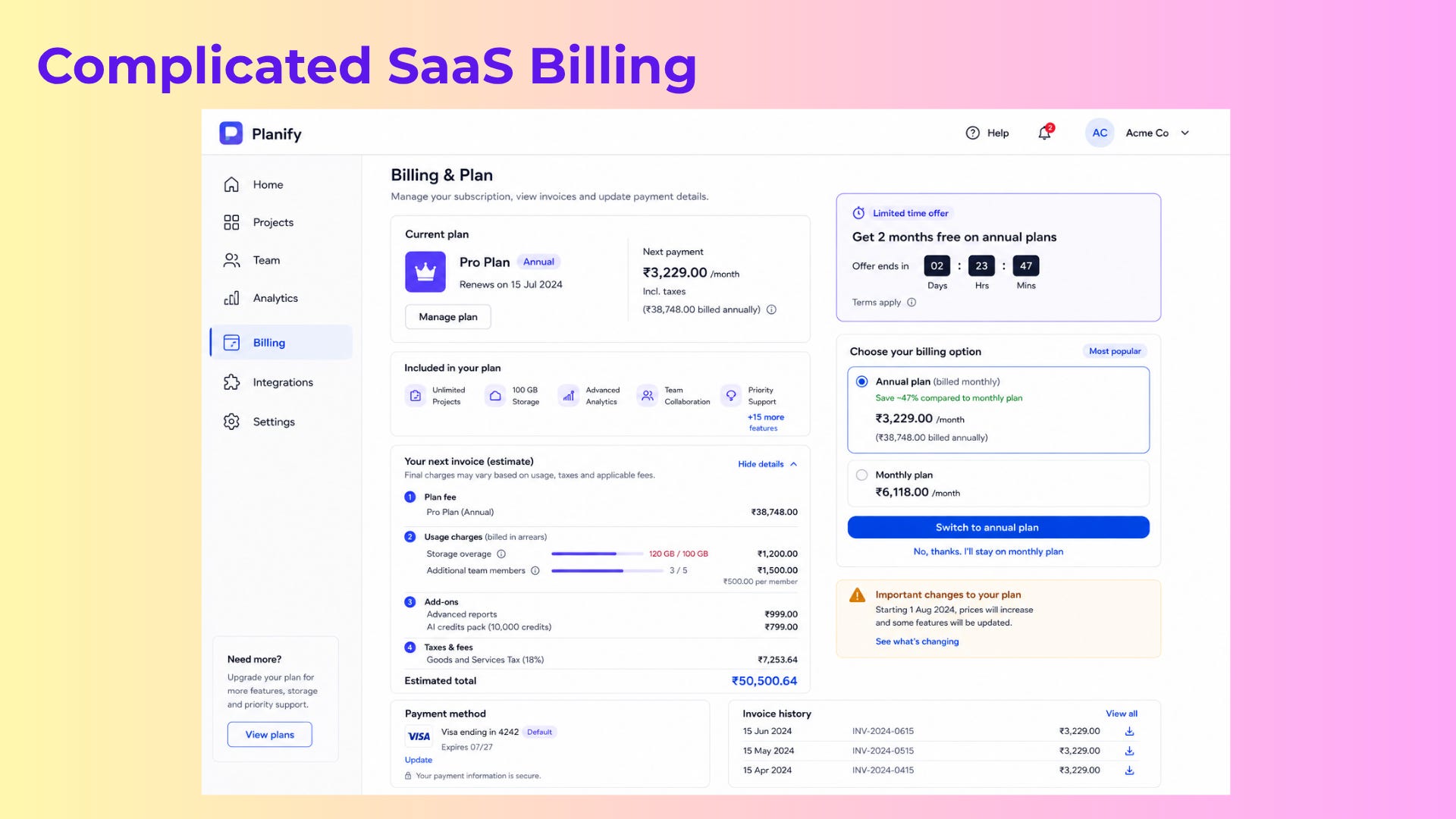
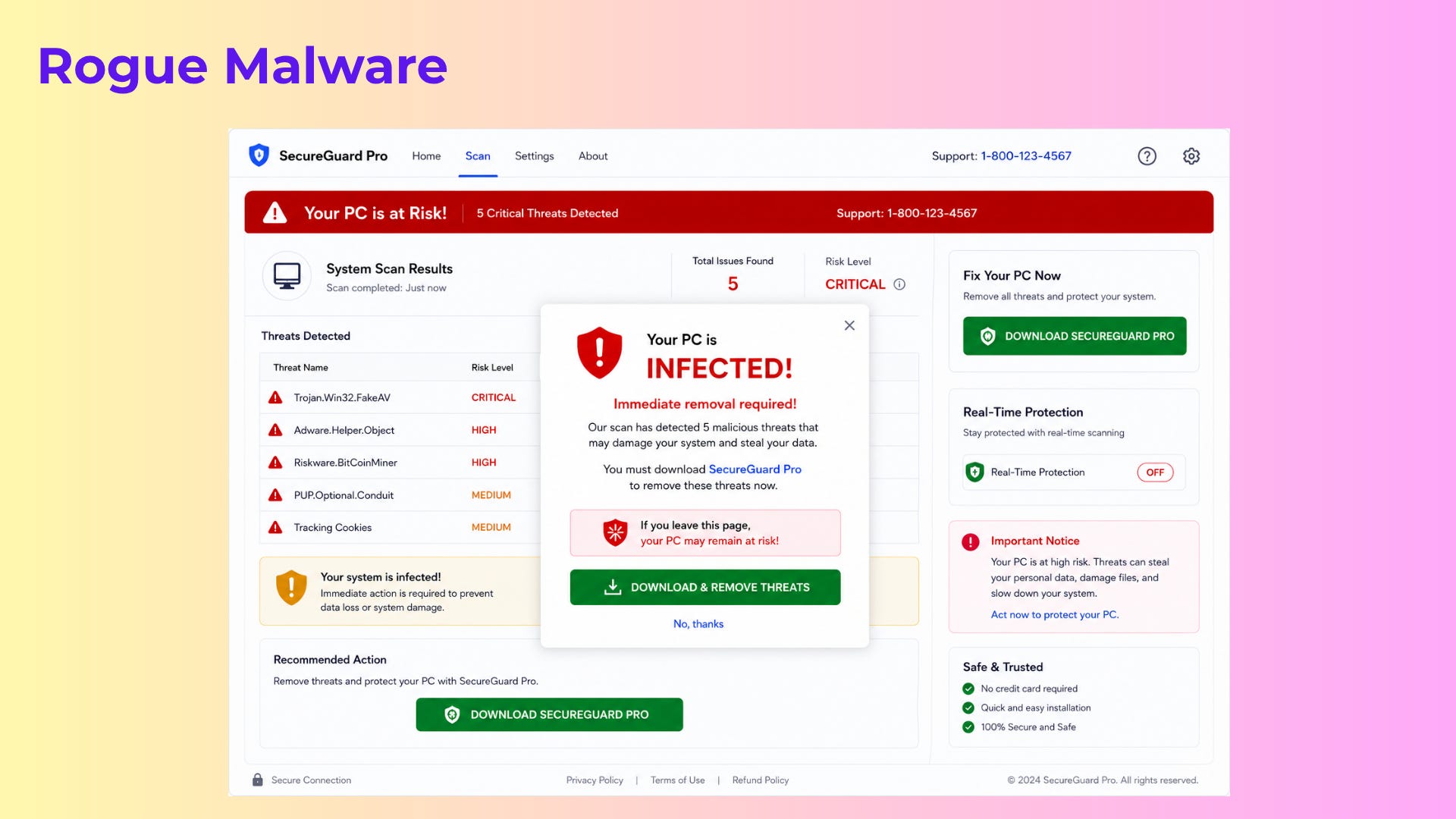
The regulator issued detailed guidelines on what constitutes these 13 dark patterns, and to better understand each, I used ChatGPT to create mockups. I think this is a nifty reference for growth teams to ensure they steer clear of such practices.
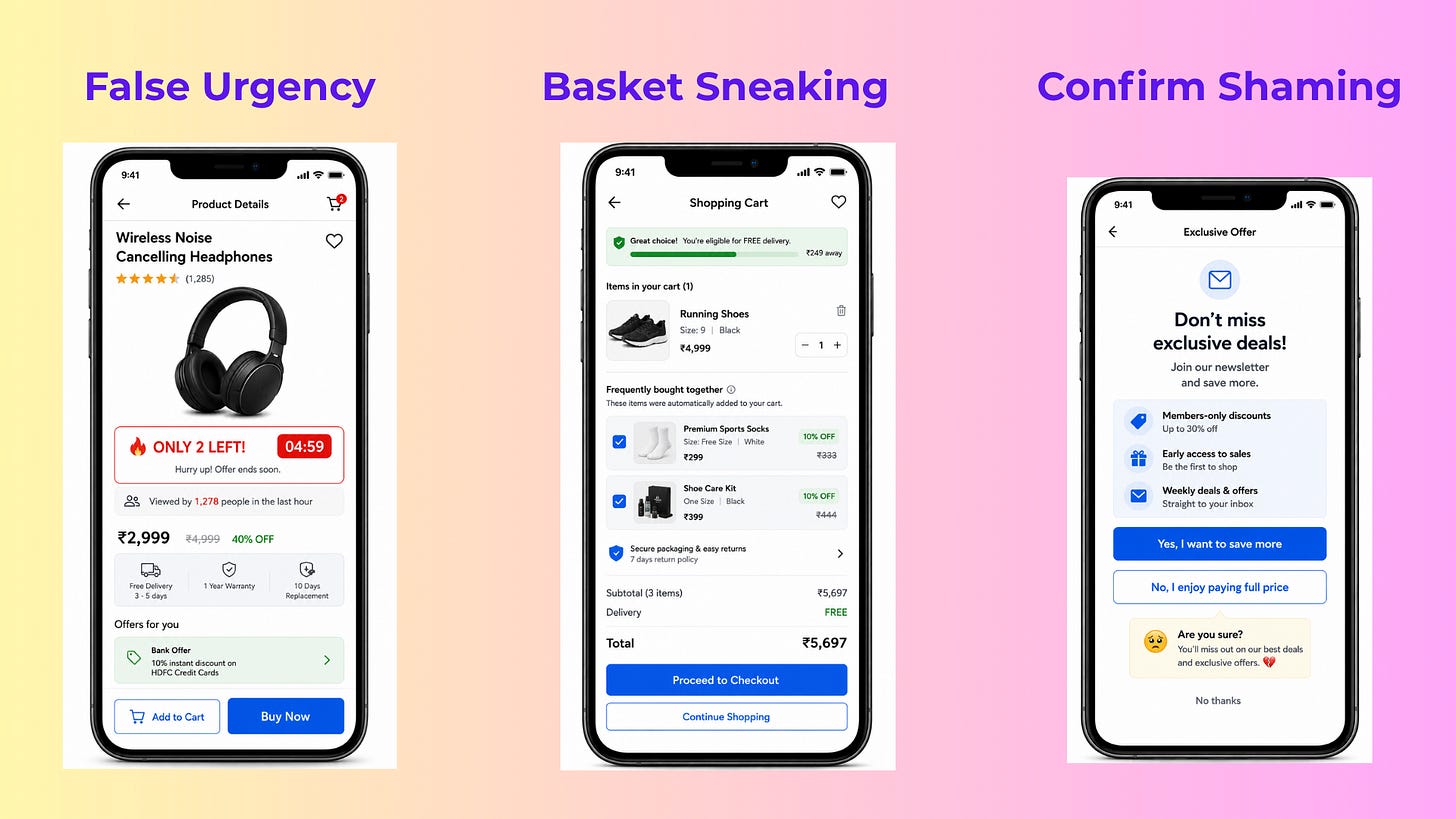
False Urgency – Nudging users to act quickly by creating artificial time pressure.
Basket Sneaking – Adding items or charges to a user’s basket without clear consent.
Confirm Shaming – Making users feel guilty or foolish for declining an option.
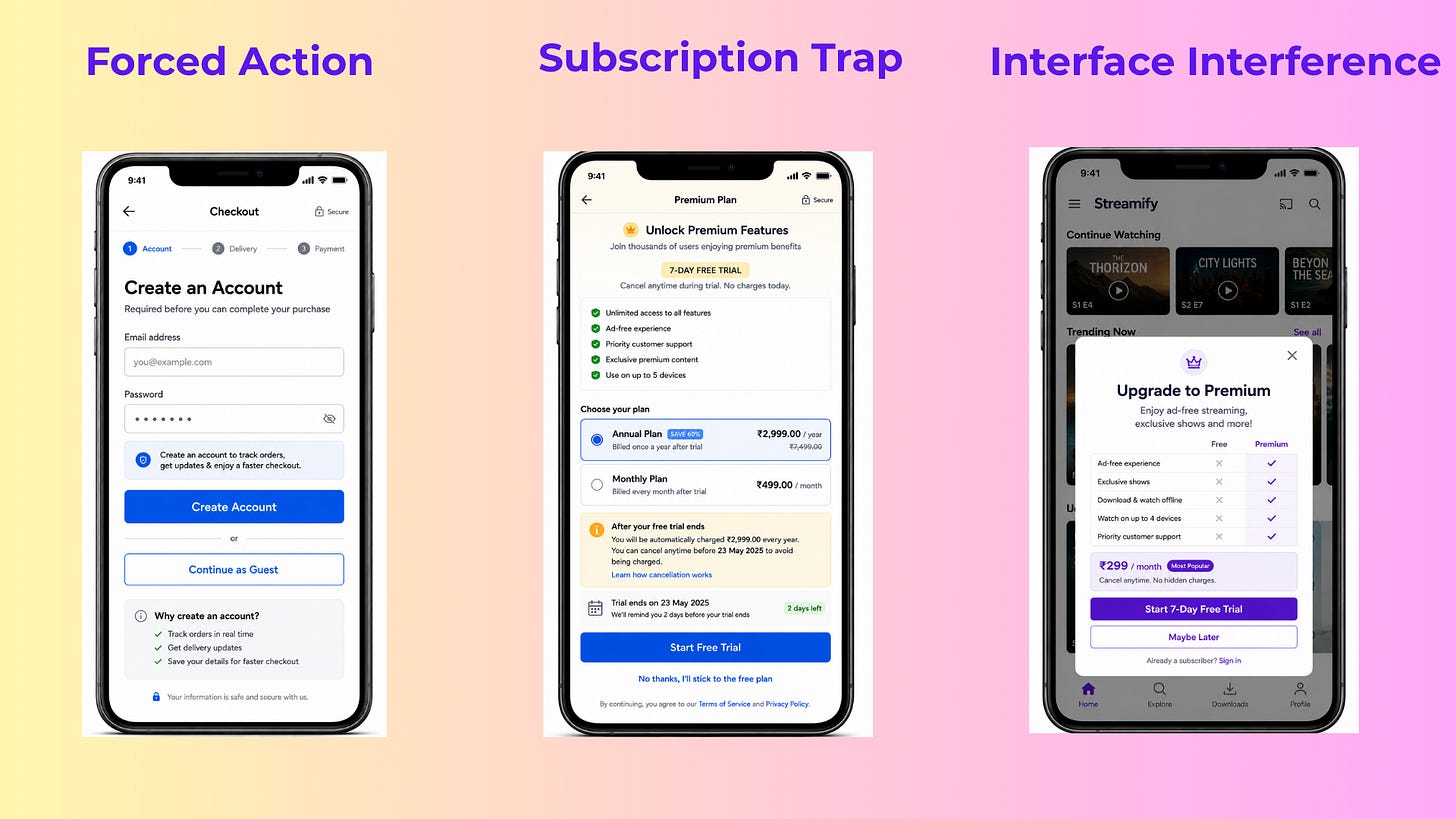
Forced Action – Requiring users to do something before they can proceed.
Subscription Trap – Making it unnecessarily difficult to cancel.
Interface Interference – Designing the interface to visually favor one choice over another
.
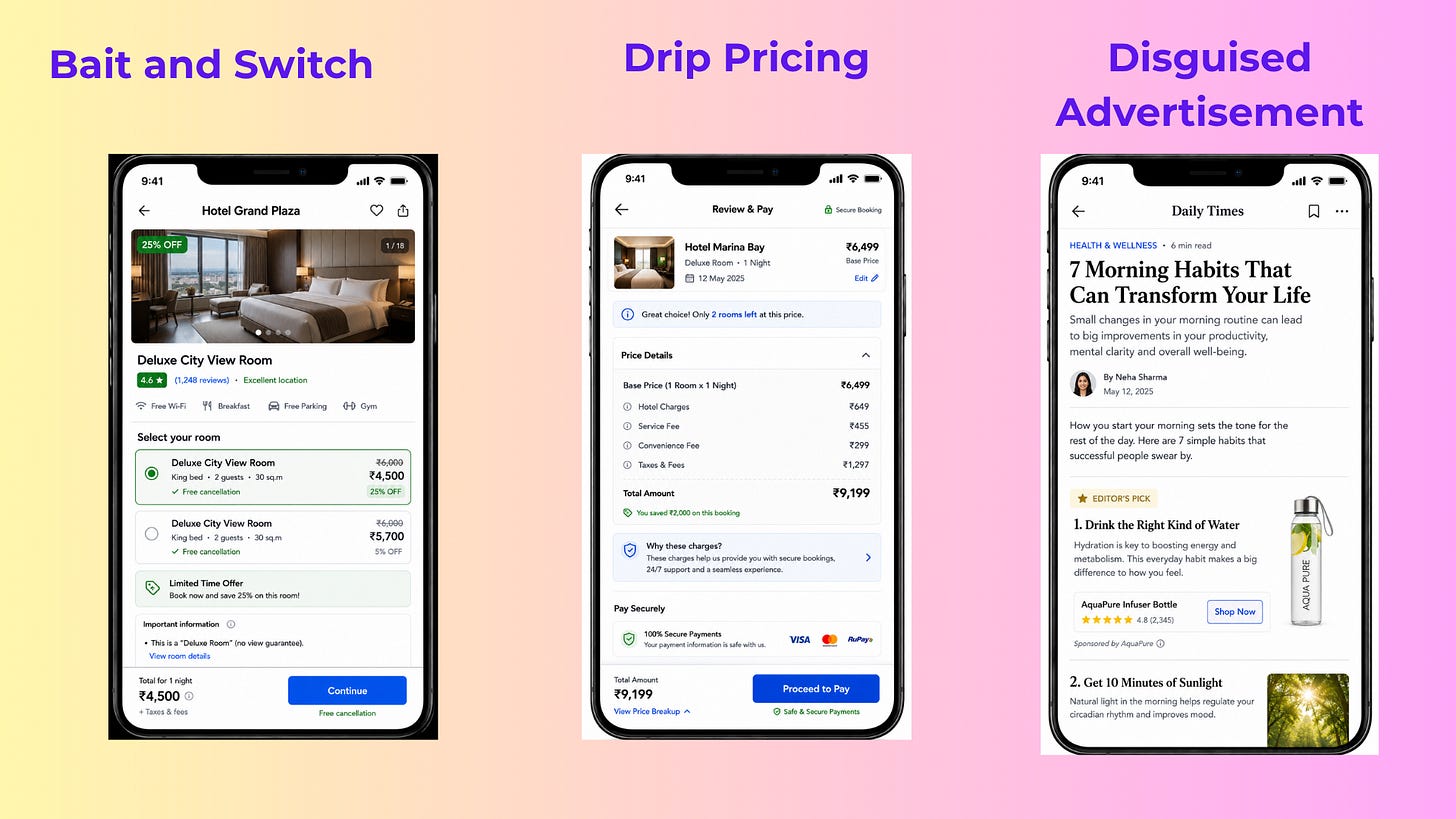
Bait and Switch – Promising one outcome but giving something different after the user acts.
Drip Pricing – Revealing additional fees only as the user progresses through checkout.
Disguised Advertisement – Making an advertisement look like regular content.
Nagging – Repeatedly prompting users to do something they have already declined.
Trick Wording – Using confusing or misleading language to steer users toward a choice.
SaaS Billing – Using confusing billing, renewal, or cancellation practices to keep users paying.
Rogue Malware – Using deceptive warnings or alerts to scare users into downloading or buying something.
If you are looking for examples of these practices, Deceptive Design has an entire Hall of Shame.
Can’t stop thinking about: The Tragedy of Moriah Wilson
What is common to these dark patterns is that they feed on something deeply human: our tendency to act on impulse.
Which brings me to a somewhat related topic I have been thinking about a lot over the past few months. If you have watched The Truth and Tragedy of Moriah Wilson on Netflix, you know the tragedy of this extraordinarily talented athlete.
After watching this documentary, I discovered Moriah's Substack writings. I have been drawn to the clarity with which she wrote about her races and the philosophical meaning she found in them.
There are many theories about what led to her completely senseless murder. It made me think a lot about impulse: I am sure there have been times in our lives when we acted impulsively and regretted it. In Moriah’s case, it led to a lethal outcome.
I feel that digital products make acting on impulse extraordinarily easy. And that is what bothers me about dark patterns. They deliberately nudge people to act on impulse and possibly make wrong decisions.
Viktor Frankl famously said, “Between stimulus and response there is a space. In that space is our power to choose our response.”
Growth teams have enormous power over users’ decisions. They owe it to them to create space to pause and make the right choice for themselves.
this article is so packed. love it!