

French novelist Marcel Proust once said:
“The real voyage of discovery consists not in seeking new landscapes, but in having new eyes.”
The same is true in marketing.
We often look sideways at competitors and category trends. We attend marketing workshops, read research reports and books in the hope that they will give us new ideas. But often the most potent ideas could come from what’s happening in our own lives and in the world around us.
I am not saying one should not read books or do training. These are useful in knowing what worked in the past. But to create something truly novel and not done before, one might need to look at what is happening in the macrocosm of the world and the microcosm of our day-to-day lives with a fresh pair of eyes.
In my final newsletter of the year, I want to share three marketing lessons that were reinforced for me - one from a global event and two from experiences of my own life.
1. Zohran Mamdani’s Masterclass
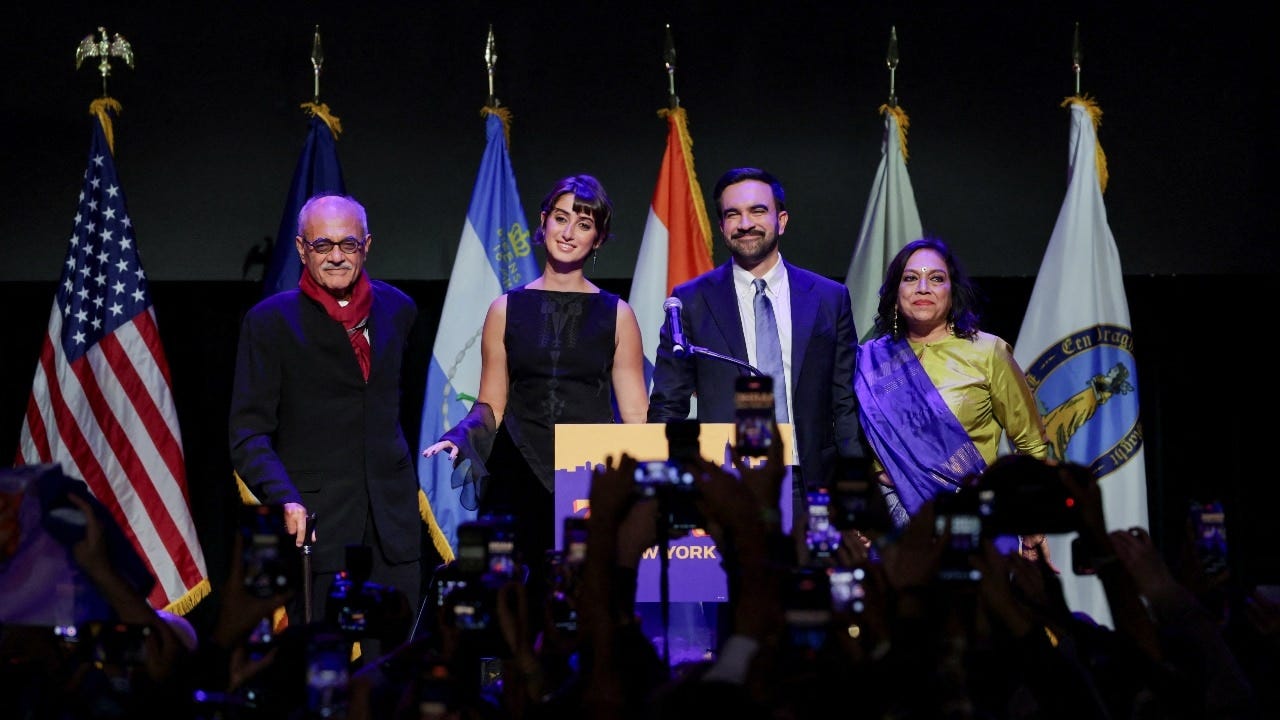
From 1% awareness in the early polls to becoming NYC’s first Muslim and South Asian mayor, Zohran Mamdani’s mayoral election win is a mind-blowing marketing case study.
I followed his campaign obsessively, initially because I am a massive fan of his mother, Mira Nair, and her films (I once took her indie film course on Masterclass).
Apart from his personal charm and flair for storytelling, his campaign was so successful because it nailed three marketing fundamentals:
(a) Solve a ‘real’ customer problem
Mamdani focused relentlessly on what he correctly identified as the key pain point of his audience: the cost of living.
His campaign promises to ‘freeze the rent’ and ‘free buses’, etc., effectively created a significant delta between their struggle today and a better tomorrow. I thought it was a perfect example of the Delta 4 framework for predicting successful startups:
“Once the user experiences a significantly better way of using a product, there is no way he or she is going back to the old way of doing things.”
You know a startup is solving a ‘real’ problem when the difference in users’ current vs. future state becomes painfully apparent. Every founder needs to study this idea.
But this is easier said than done. It is hard to pinpoint a real customer pain point because often what a customer says and does differ entirely. How does one identify a real customer insight from a fake one? You might find this an interesting read.
(b) Focused positioning
His message never drifted. He brought every question back to affordability. In every campaign content, personal question, debate, he would get the attention back to the core value proposition.
Founders often falter here, either by making too many promises or by failing to tie their value proposition clearly back to the problem they are trying to solve.
Simple promises hold enormous power.
(c) Speak human, not political
Short emotional videos. Bollywood metaphors. Cultural language. Humor. Personality.
Mamdani’s authenticity was unmatched, and that built his authority.
People can sense when something is genuine. He spoke to everyone in the language they understood best. And he kept it human, focused on the audience, not on himself.
💖 Lesson 1: A new brand can take on Goliaths if they are clear about the problem they are solving, be very clear how they can solve it better than the rest, and talk in a way the customers feel seen and heard.
2. What Shoes Mean to a Runner
On 14th December 2025, I ran my first marathon. When I crossed the finish line, it was a moment of 6 months of training coming to fruition. I obsessed over many details of my preparation, and one of the key ones was the running shoes. Shoes are a part of a runner’s identity, the tribe you belong to, a quiet marker of trust.
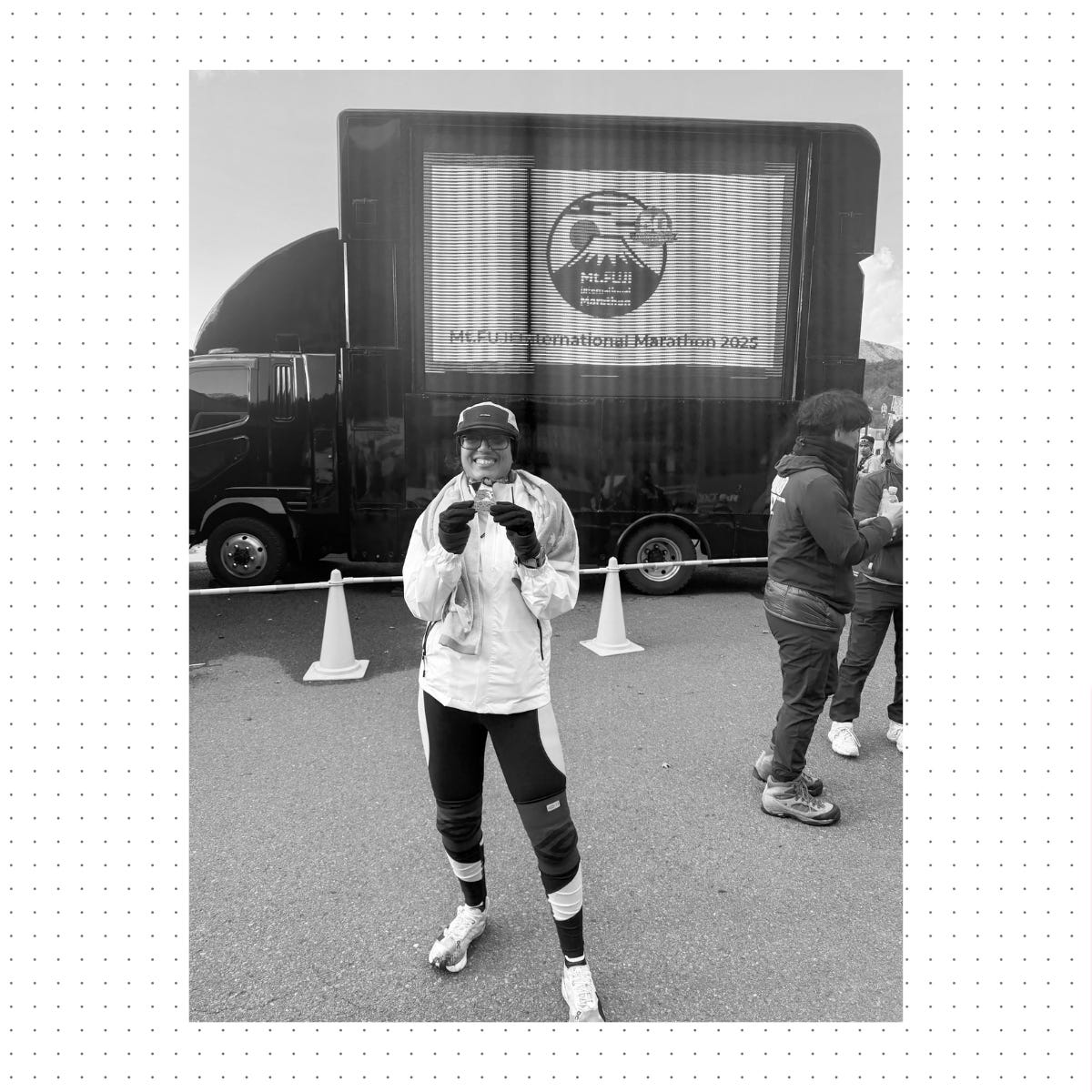
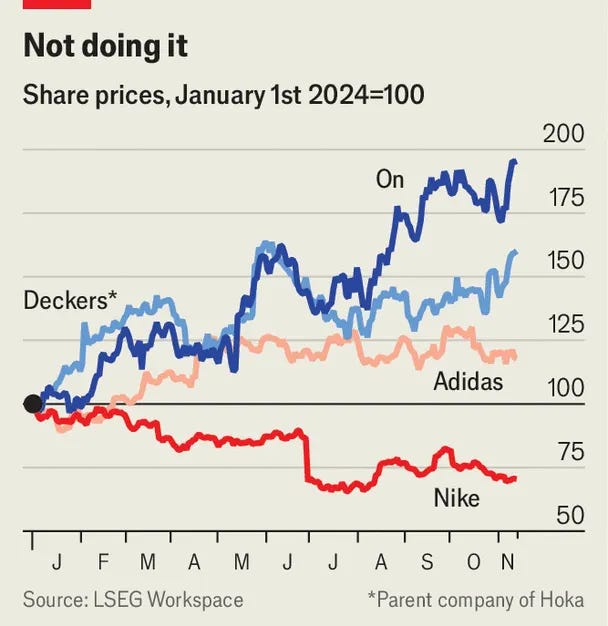
I mainly trained in ON and Asics shoes. I have a couple of Nikes, but I never use them for any serious training. And I notice a similar pattern in the athletic community around me. The market data confirms the trend:
Yet, I’m still a huge admirer of Nike’s marketing. Their six-page love letter to runners after the NYC Marathon was stunning. It genuinely moved me.
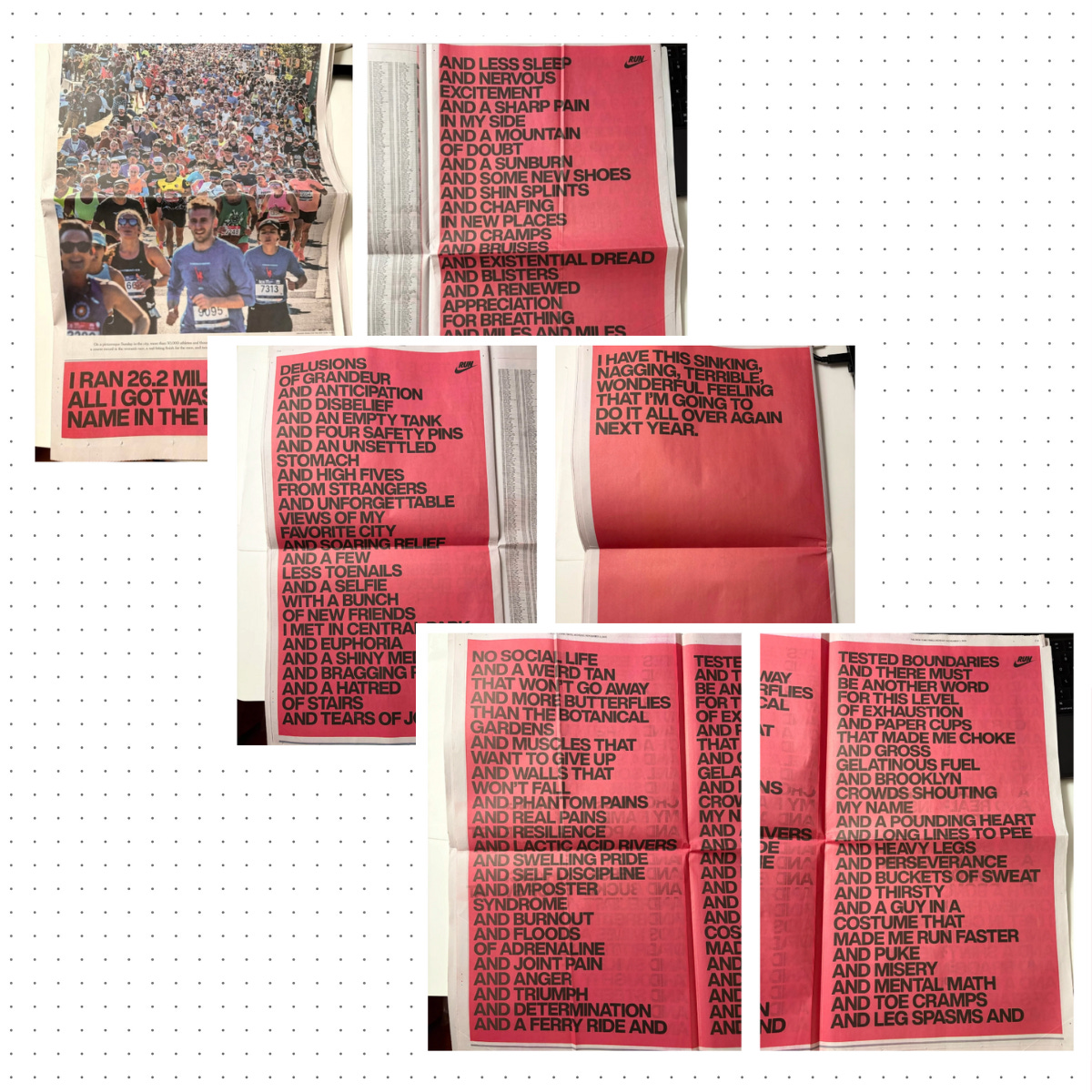
But here’s the truth: I don’t trust Nike’s product to give me an edge. And no amount of beautiful storytelling can change that.
This is the most fundamental reminder for marketers:
Marketing — however sexy — cannot save a weak product.
You can put lipstick on a pig, but it’s still a pig.
I’ve seen so many teams hope that their “great marketing” can change the course of business growth and buy them time to improve the product.
It never works.
💖 Lesson 2: Great marketing can amplify a great product. It cannot compensate for the absence of one.
3. The eye and the AI
One of the best marketing ideas of this year, and perhaps all time, is Polaroid’s “The Camera for an Analog Life” campaign. Digital overload and weariness are a global phenomenon, and Patricia Varella, Brand and Creative Director at Polaroid, perfectly sums this human truth:
“We are analog creatures, built to connect through our senses but the more we lose ourselves in digital algorithms, the more we drift away from empathy and real connection. There is something magical in a Polaroid picture. It captures the humanness in all of us, wrinkles and all, and reminds us that the best of life happens in the real, physical world.” -
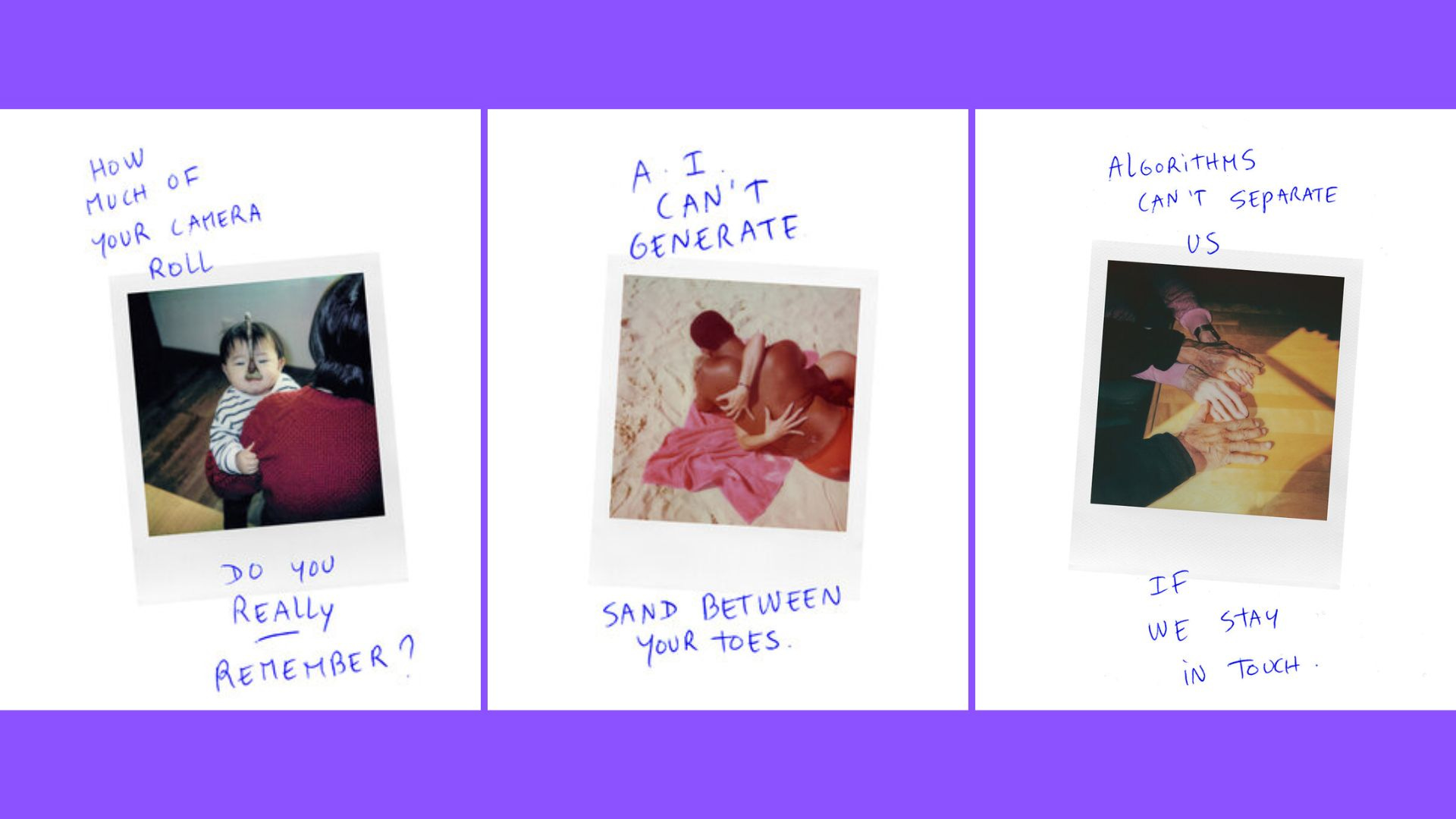
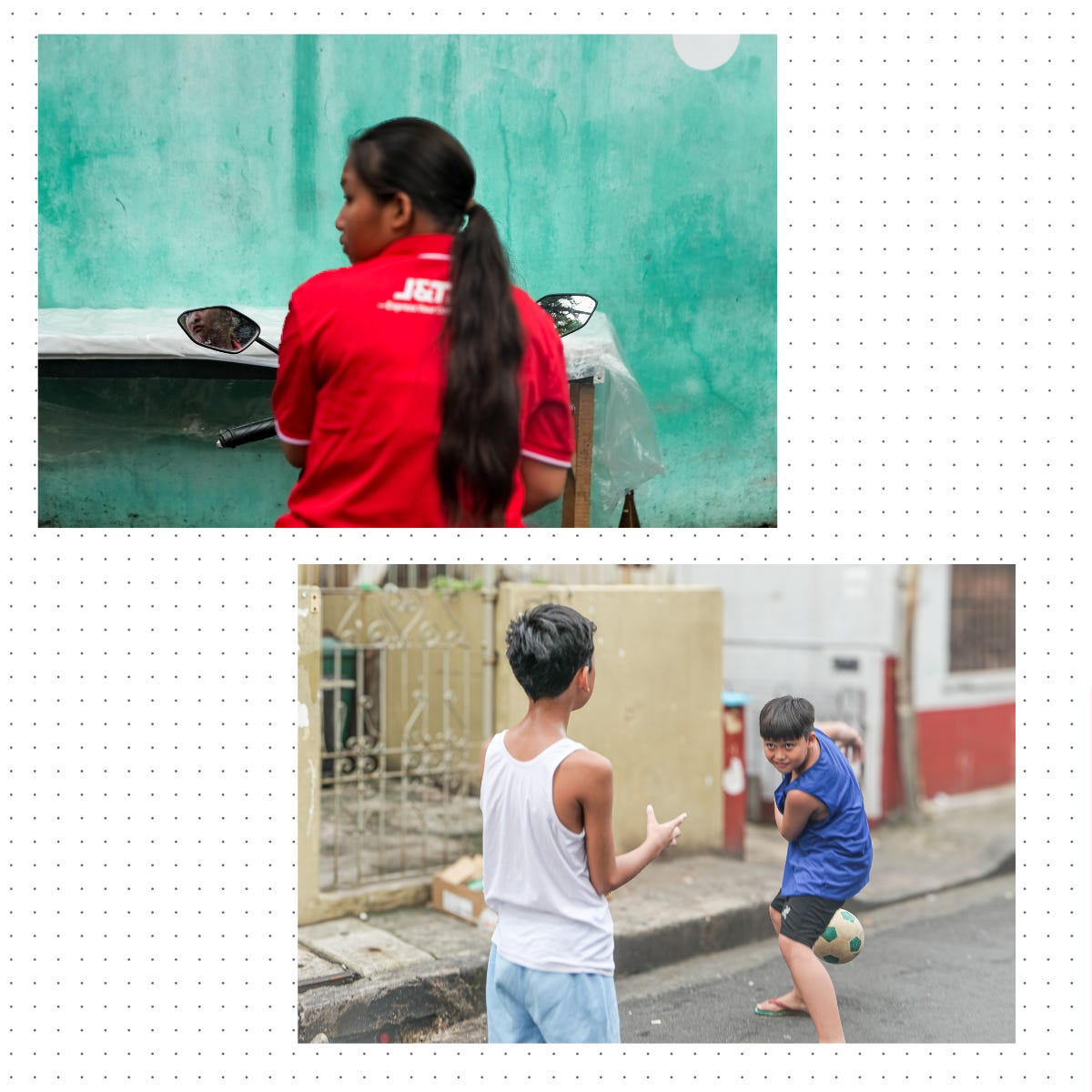
The Polaroid campaign moved me so much that when I came across a street photography workshop titled “Expand Your Eyes: Seeing More and Making It More,” I signed up immediately.
A group of us walked through the busy streets trying to find a moment worth capturing. Later, as we compared our shots, I was intrigued by the fact that each one of us saw something different in the same street. Ordinary life seemed to hide so many extraordinary moments when seen through different eyes.
That’s when it clicked.
Ever since ChatGPT and its many cousins burst into our lives, I’ve been wrestling with a question:
What can I, as a human marketer, do better than AI?
Perhaps the answer is this - AI sees through a lens of collective wisdom. It’s a powerful reduction of everything that’s been seen, written, and recorded.
But only a human eye can truly see something new through the lens of our life experiences, emotional memory, cultural context, and personal taste.
Today, our edge as marketers is no longer in doing more or faster. Perhaps it lies in showing up as who we are and making sense of the world around us in our unique ways.
So if you are a marketer reading this, I urge you to reflect on these three questions:
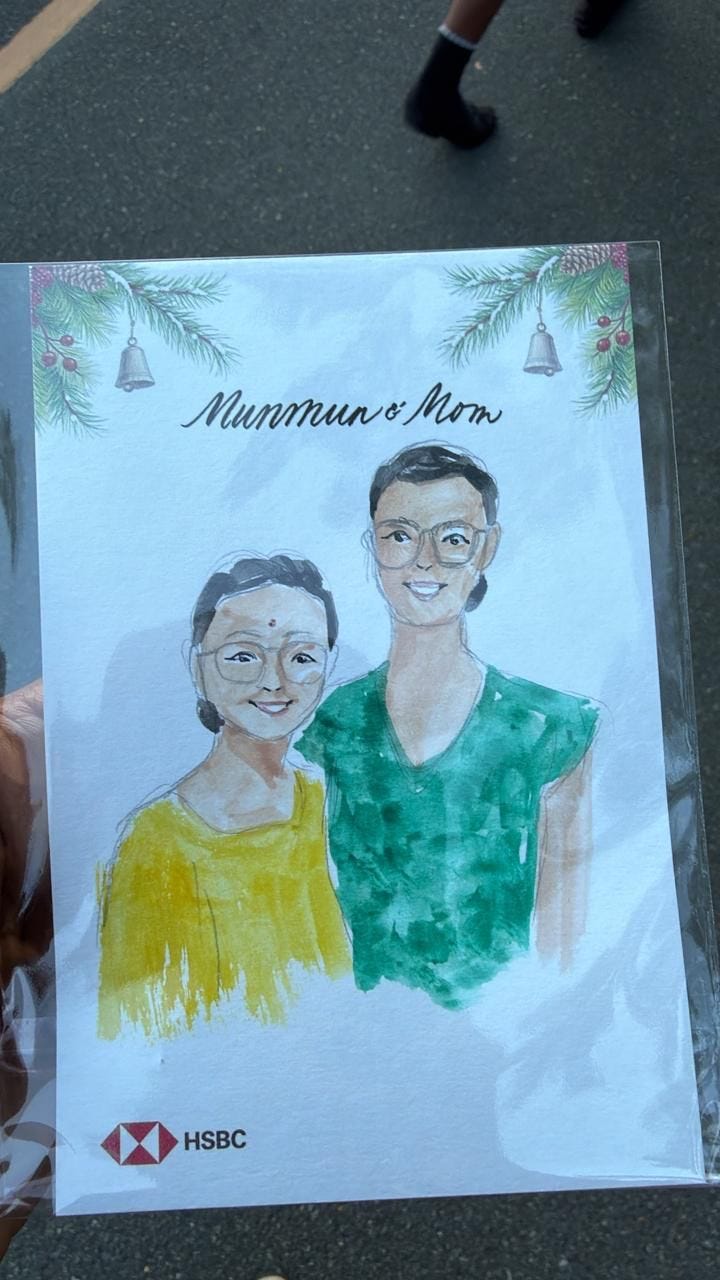
What moment of feeling can I create for my customer that only a human interaction could spark?
I experienced this at the HSBC booth when a local artist made a quick portrait of my mother and me, and it will stay on my fridge for a while.
Who is my customer trying to become — and how can my brand help them feel like that person, even for a moment?
I was ignoring a beggar knocking at my car window for money till she said those words that stayed with me, “Share your blessings. This call to action was so compelling because it invited me to be the kind of person I hope to be: generous.
Brand CTAs don’t have to be Buy Now. They can be ‘Choose what matters’, or ‘Do the honest thing’. That’s all it takes to sound more human.

What can I notice about my customer’s life that I can see only because of the life I’ve lived?
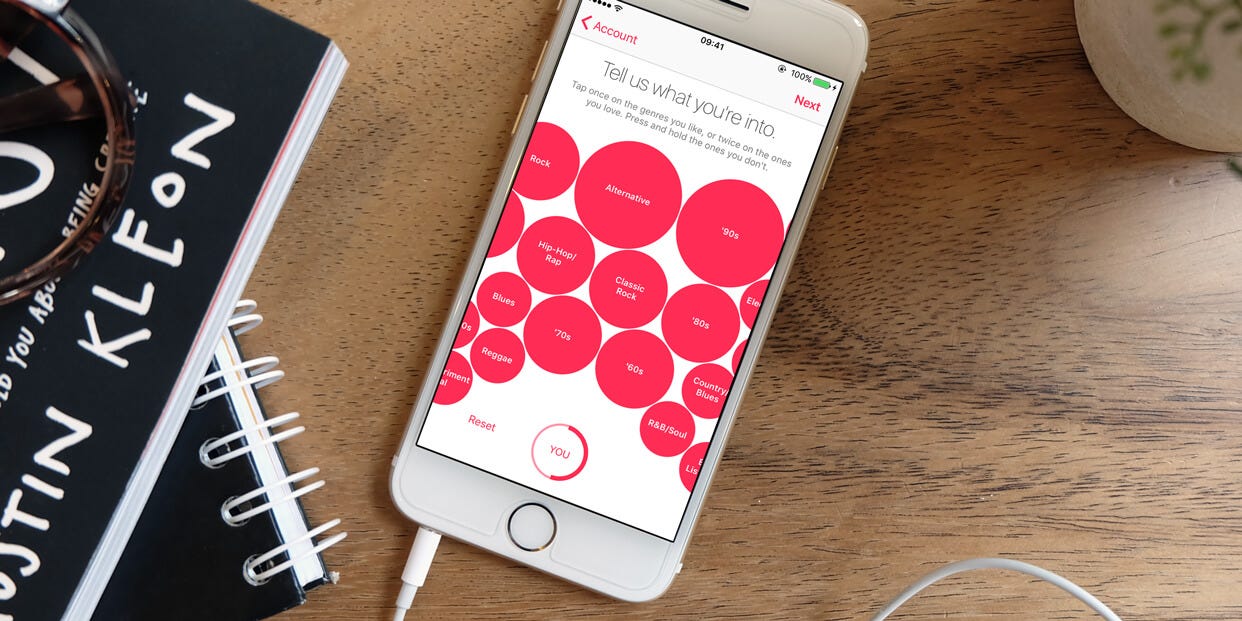
I was impressed by Shinhan Bank's campaign offering incentives to its customers for running. And it made me wonder why more brand promotions aren't tied to lifestyle incentives? I think it’s because they don't have insight into how we live. But the solution to this is simple. Just ask the customer to choose three words to describe themselves, as Apple asks you to define your music tastes to refine your recommendations!
💖 Lesson 3: AI makes marketing faster. But only humans can make it more meaningful.
Happy New Eyes
When I started writing this newsletter, my goal was to write every week and hit 1,000 subscribers.
This year, I had different goals. Instead of having an external measure of ‘success’ (number of posts or followers), I decided to focus on the inside-out - "What did I gain from thinking and writing about this?"
I wrote when I received a PR kit, which made me wonder when influencer marketing truly felt effective. 25 years of graduation made me wonder how I ended up in marketing. And I obviously had to brag about being featured on a billboard.
My experiences in 2025 have refreshed me, and I’m excited to share more marketing growth ideas that stem from my endeavours next year.
I hope 2026 brings you your own set of experiences that gently reshape how you think, create, and grow.
Love,
Munmun 🎄✨
Lesson 2 is so true! You can create all the hype you want but the product must live up to it. Good piece!
Hey, great read as always. What if Mamdani's unique campaign strategy, born from fresh eyes, could be reverse-engineered into a universaal algorithm for political outreach? Its scalability would be fascinating.