

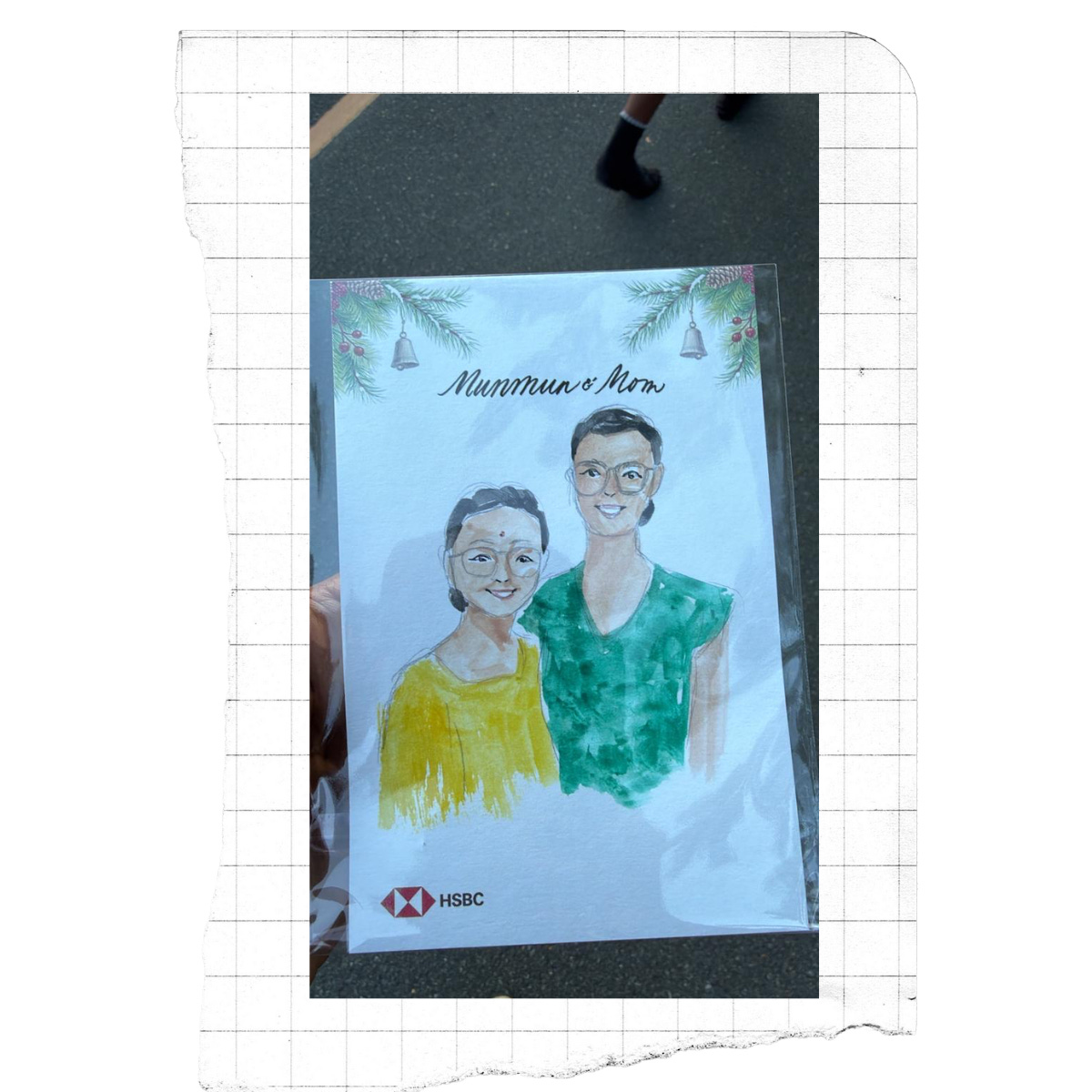
While strolling through a Christmas Bazaar, an interesting giveaway caught my eye at the HSBC booth — a local artist offering 10-minute mini-portraits. My mom and I posed, and while we waited for the sketch to be finished, the sales rep gave a quick product pitch.
The portrait turned out super cute and is now on my fridge… which means HSBC basically earned exclusive ad space in my home. This is one of the most creative booth giveaways I’ve seen in a long time. Well done, HSBC! 👏👏👏
Lately, I have felt a certain weariness with everything digital. I am desperately trying to cut down my screen time so I can spend more time IRL. I am switching to analog as much as possible - waking up to alarm clocks, writing with pen and paper, printing photos for albums, and listening to the radio for music.
And after almost two decades in digital marketing, I seem to be developing a fondness for ‘traditional’ forms of marketing. So, in my penultimate newsletter of this year, I want to discuss three offline campaigns that made me smile:
1. How to get your wedding sponsored 🤵
French entrepreneur Dagobert Renouf went viral for getting 26 startups to pay for ad space on his wedding tuxedo!
While some might think that turning a personal milestone into a branding opportunity is weird, I think this is creative genius! This was a good deal for the startups that received attention at the wedding as well as online virality, and Dagobert, who was apparently struggling financially, was able to save some money, make his wedding memorable, and create buzz in his startup community.
Personal and professional bingo!
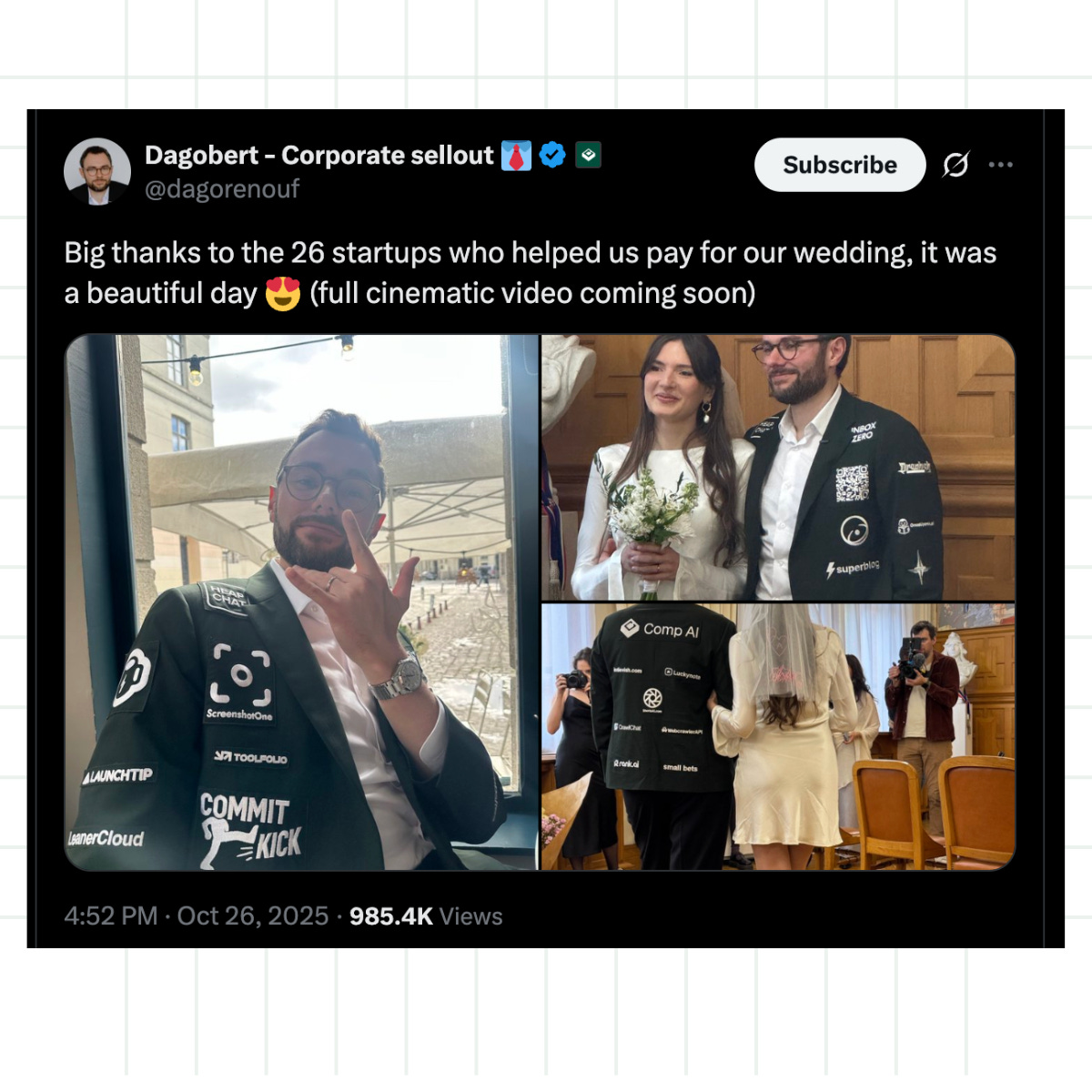
🏅 It works because the ad spaces are unusual and limited, so people notice and brands become part of the moment.
♻️ How to copy this idea:
While you may not want to wear a sponsored suit at your wedding, you could adapt the concept for other moments where attention is high and the vibe is more playful.
For example, in a tech conference or on a startup demo day, founders could sell patches on hoodie sleeves to promote early customers or as social proof.
Travel vloggers could sell ad space on their suitcases/backpacks.
2. Receipts are micro-billboards
While waiting for my milk tea, I couldn’t help but admire the design of Chagee’s receipt, featuring botanical motifs that give the brand a sense of heritage and luxury.
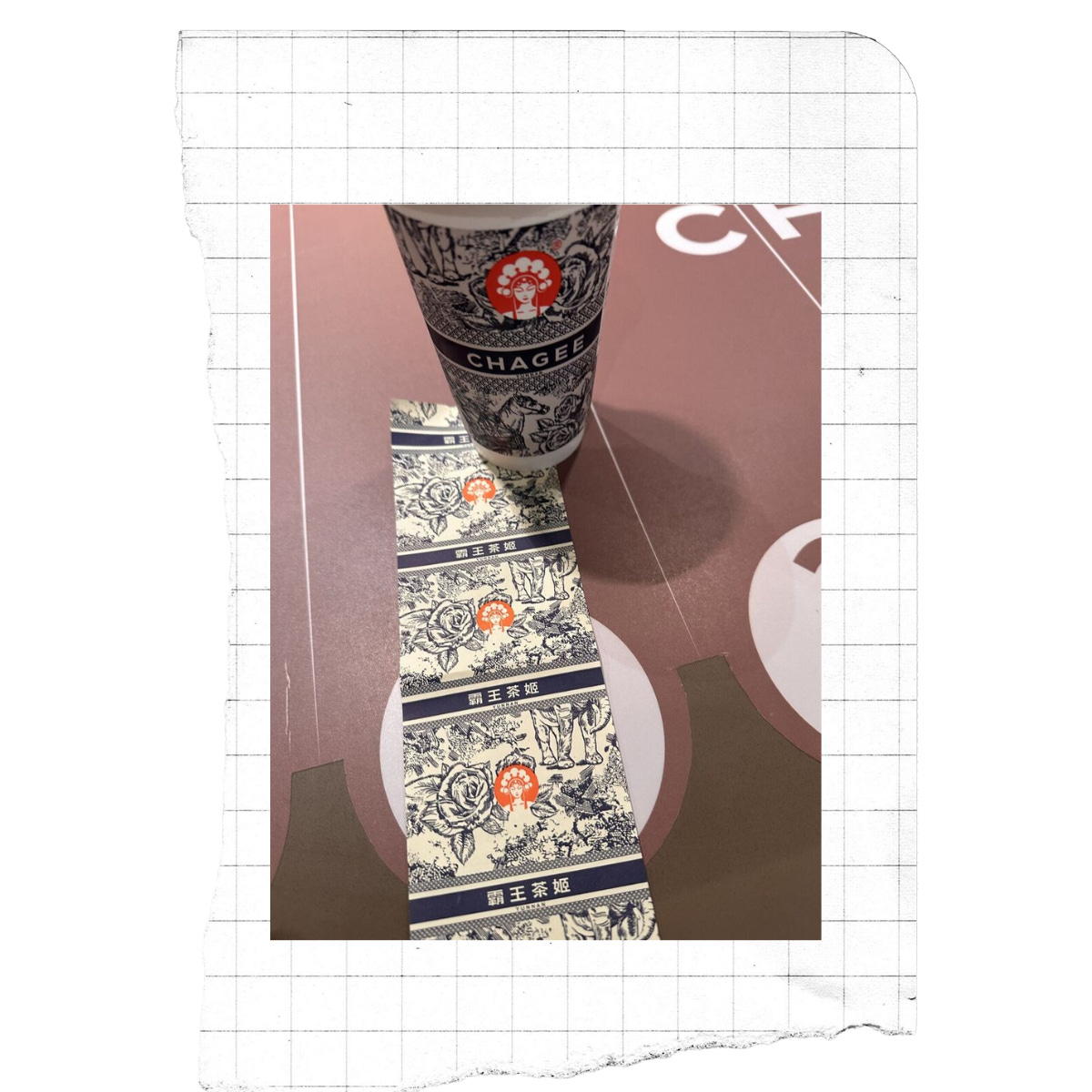
Usually, we toss receipts into the bin without a second thought. But perhaps the humble receipt is the new branding real estate —a micro billboard to reinforce brand identity post-purchase.
Of course, the impact may only last the first time you notice it. Chinese milk tea brand Mixue takes this further by turning receipts into serialized fan fiction, nudging customers to collect the next chapter across multiple visits.
This went viral as customers eagerly collected chapters, posted updates online, and even crowdsourced missing segments across social media platforms like Weibo, resulting in millions of unpaid brand engagements.
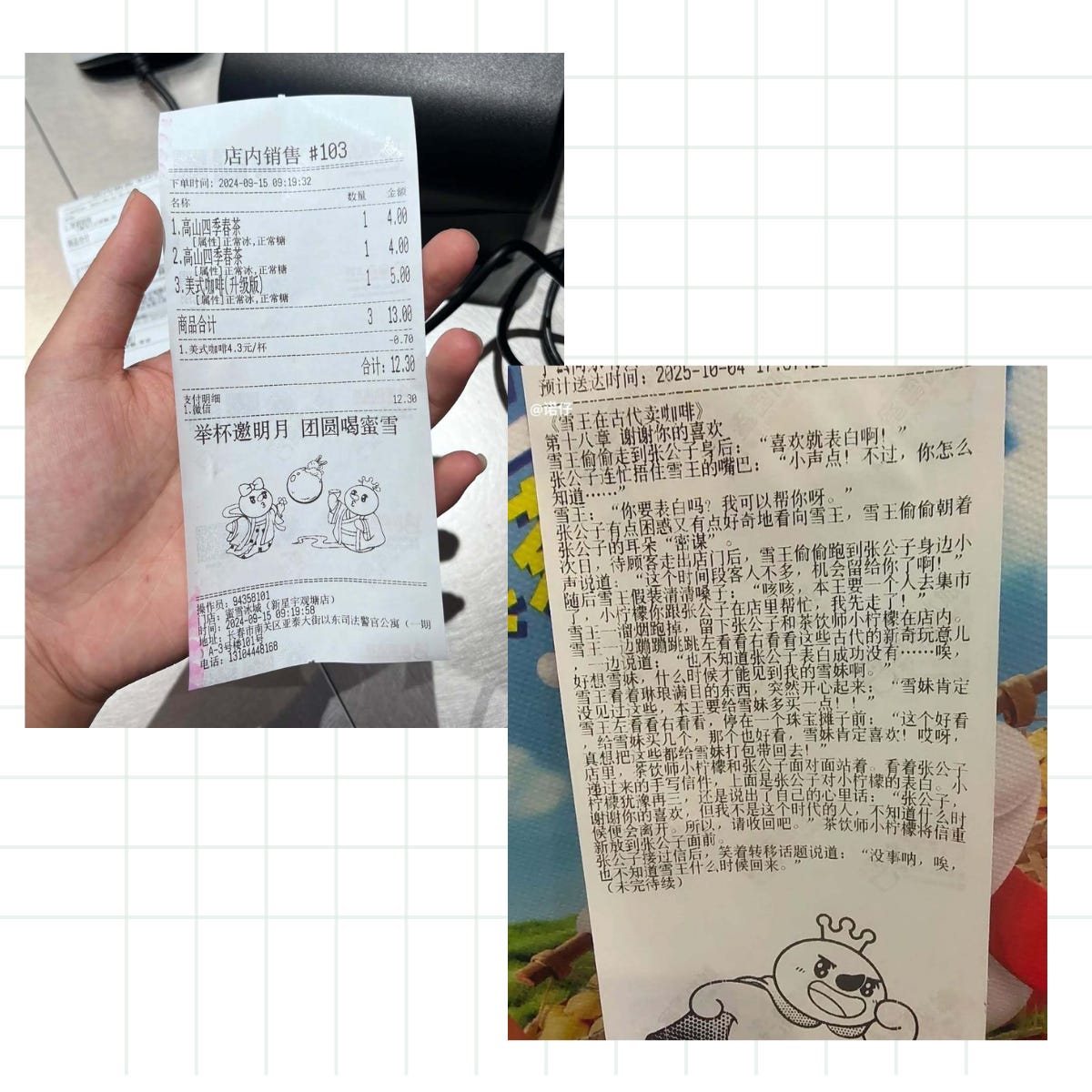
🏅 It works because it creates delight in an otherwise mundane touchpoint, the receipt. And it drives repeat product purchase for the intrigue.
♻️ How to copy this idea:
A bank can turn ATM receipts into micro-engagement moments by printing money tips in an episodic format or quirky “financial fortune cards” that are printed randomly. Grocery Stores could print mini health tips. Cafes could tell stories of beans, farmers, and mascots.
3. A new bottle for the old wine
Newspaper inserts or flyers are usually thrown away after a read. However, this one managed to stand out and was shared online simply because it was cut out differently.
Who said flyers should be square? While it might be more expensive to have it cut into a shape, the incremental spend is worth the differentiation
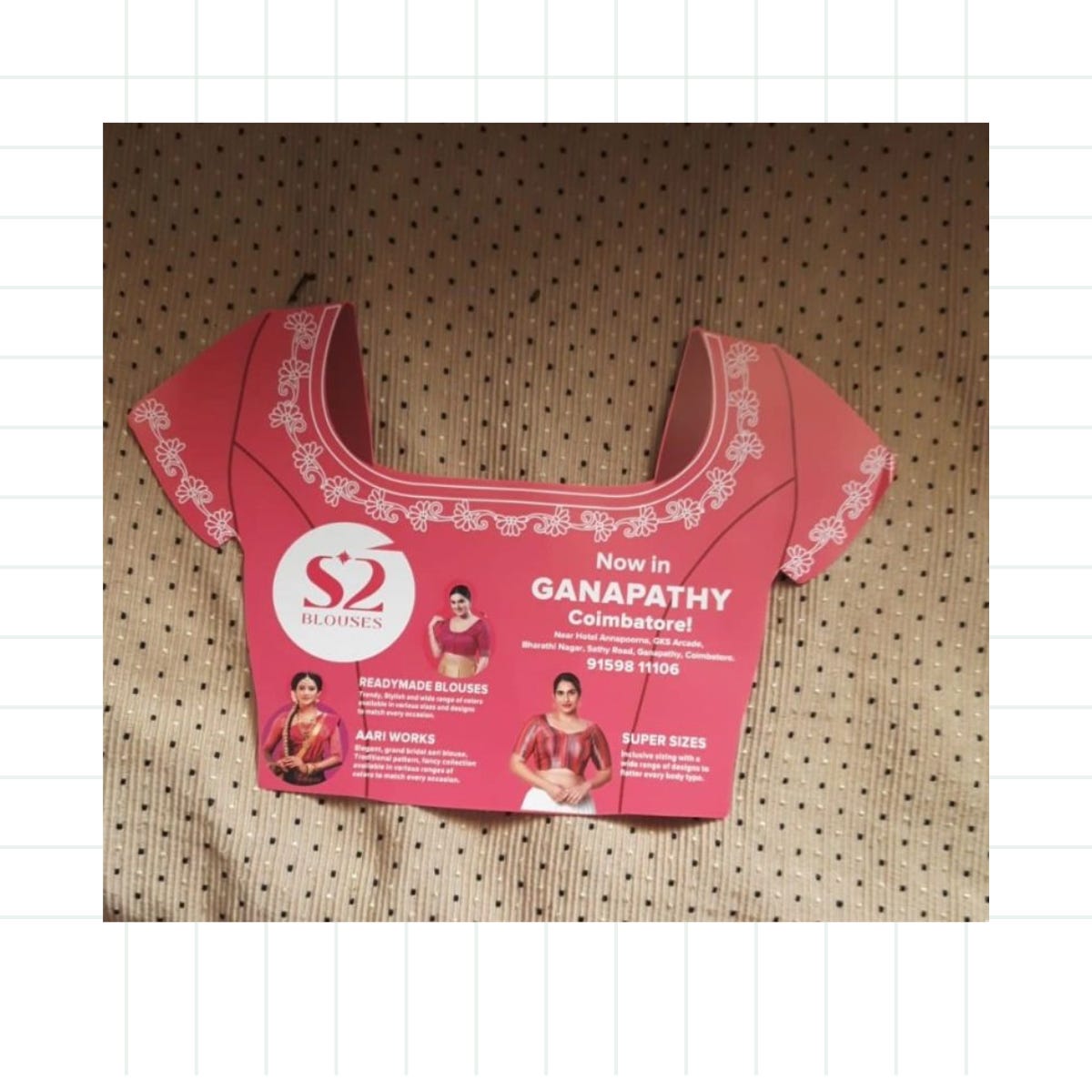
🏅 It works because the unusual shape interrupts the brain’s autopilot and forces a second look.
♻️ How to copy the idea:
Use shaped flyers that match your product, such as a coffee cup, a sneaker outline, or a phone icon. Keep the message simple and let the shape be the hook.
What’s common across all these campaigns is that they’re built for an offline moment, but they ultimately go viral online. Today, digital feels cluttered, and AI has accelerated the fatigue. Everyone can produce content, but very few can produce creativity.
And maybe that’s why offline now feels fresh again. The new growth hack is simple:
👉 Do something inventive offline, then amplify it online.
That’s the marketing funnel of the future.
While you are here…
Hi, I am Munmun, the person writing this newsletter! I enjoy exploring data and behavioral science to solve growth challenges.
If you are a marketer at an early-stage startup, then this Substack is for you.
You can also find me on LinkedIn, where I occasionally talk about marketing, triathlons, and sometimes my kids.
I do 1:1 consulting - contact me if you’re launching something new or entering a new market, and you’re thinking:
1. Why aren’t people sticking around?
2. Why aren’t users converting?
3. Who exactly is my ideal customer?
Finally, Growth Scientist is now free and will likely remain so in the future. If you find it worthwhile, consider sharing it with a friend.
Love,
Munmun